
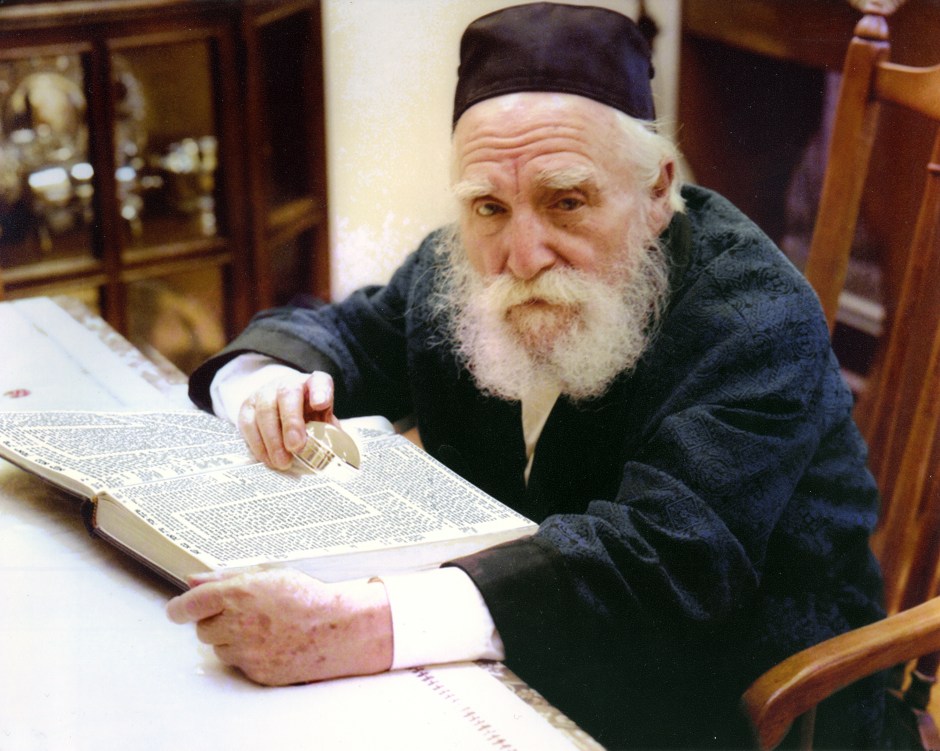
Adapted from: Rav Moshe on Chumash Compiled by Rabbi Avraham Shlomo Fishelis
וּבָאתָ אֶל הַכֹּהֵן אֲשֶׁר יִהְיֶה בַּיָּמִים הָהֵם וְאָמַרְתָּ אֵלָיו הִגַּדְתִּי הַיּוֹם לַה’ אֱלֹקֶיךָ כִּי בָאתִי אֶל הָאָרֶץ אֲשֶׁר נִשְׁבַּע ה’ לַאֲבֹתֵינוּ לָתֶת לָנוּ…
You shall come to whoever will be the Kohen in those days, and you shall say to him, “I declare today to Hashem, your God, that I have come to the Land that Hashem swore to our forefathers to give us”… (26:3).
The text of this pasuk raises a number of questions:
A person bringing his Bikkurim, first fruits, is obviously going to whoever will be the Kohen in those days. Rashi explains that the Torah is telling us to bring Bikkurim to the Kohen even if he is not as outstanding as earlier Kohanim. But why would I think not to bring him Bikkurim?
Why does the person mention “today”? He clearly says it that day!
How could he say “I have come” when his family had been living in Eretz Yisrael for many generations?

In the Pesach Haggadah we criticize the wicked son for using the term “your God,” because it implies that Hashem is not his God. Why, then, does the person bringing Bikkurim refer to “your God”?
The Sages (Bereishis Rabbah 1:4) teach that the mitzvah of Bikkurim is one of the reasons that Hashem created the world. What is unique about this mitzvah?
Many people who do not believe in Hashem act nicely and kindly because that is their nature. However, such people cannot necessarily be trusted to act properly. For example, when our forefather Avraham arrived in Gerar (Bereishis Ch. 20), he and Sarah claimed that she was his sister. When Avimelech had her brought to him, he was punished and Hashem told him that she was in fact Avraham’s wife.
Avimelech took Avraham to task for misleading him, and Avraham replied, “…there is no fear of God in this place and they would kill me because of my wife.”
Avimelech asserted that his citizens were kind and hospitable people who had established many helpful institutions. Avraham agreed — and went on to explain that this was simply not enough. The citizens were caring because that is what they wanted to do, not because their moral code required it. However, if they wanted his wife more than they wanted to be friendly, nothing would prevent them from killing him.
How do we know if people are naturally kindhearted or are consciously following Hashem’s command to be kind? We must consider many factors. Do they give the needy from the best they have? Do they lord it over others and expect obeisance? Do they give only what they must, or give generously?
Bikkurim testified to the Jews’ love of Hashem’s mitzvos. Although one was obligated to bring only his first fruits, the people brought more fruit, beautifully arranged in baskets, and adorned with birds that they brought as offerings.
Since this was such a labor of love, one might think that it should be given exclusively to an outstanding Kohen. That is why the Torah specifies that one give it to whoever will be the Kohen in those days.
The way the Bikkurim were given demonstrated the farmer’s recognition that everything comes from Hashem, Who today gave him his land, so it is as if he arrived there that very day.
When he tells the Kohen that he is coming before “your God,” the farmer is saying that this gift was never his; the first fruits were always intended by Hashem to be given to those who serve Him in the Beis HaMikdash.
In all, this was a tremendous affirmation that everything was created to bring honor to Hashem, and that is the purpose of all Creation, as the prophet says (Yeshayahu 43:7), All that is called by My Name, indeed, it is for My glory that I have created it, formed it, and made it.





 The Official ArtScroll Blog