ELUL INSPIRATION: Whatever We Do by Rabbi David Ashear

Adapted from: Living Emunah on Yamim Noraim by Rabbi Rabbi David Ashear

As we take steps to improve ourselves during the glorious month of Elul, we must remind ourselves of the value of every single improvement we make, no matter how small it may seem. Whatever we do is very precious to Hashem and will benefit us at some point in the future.

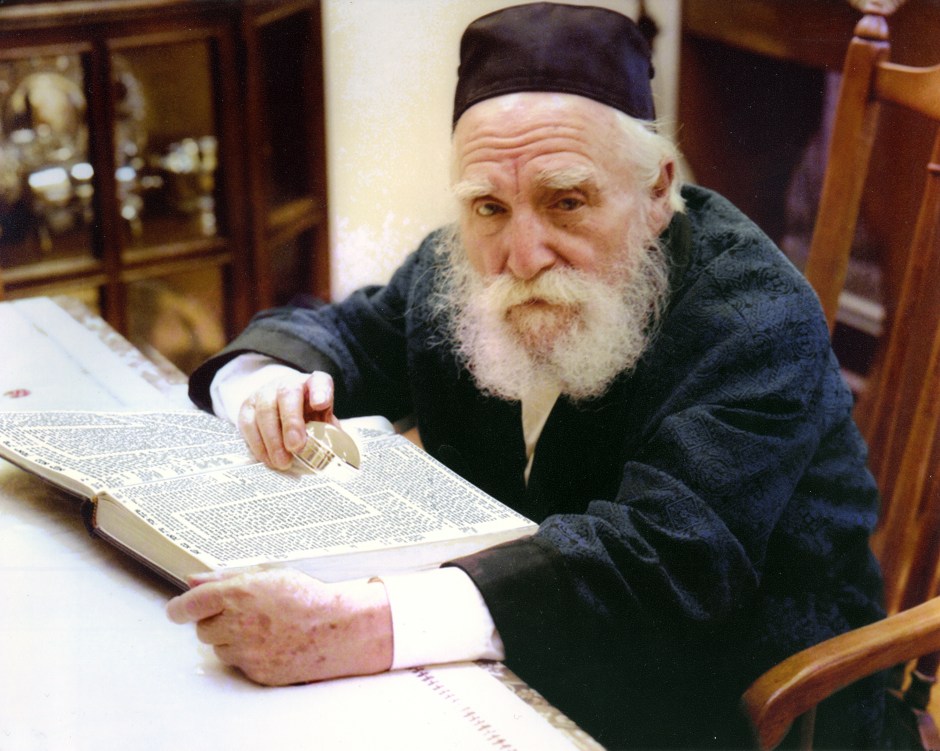
Rabbi David Ashear

Rabbi Silver’s* daughter Esther was diagnosed in 2019 with spinal muscular atrophy (SMA), a life-threatening condition which, until then, had no known cure. The doctor told the young rabbi that the FDA had just approved a new prescription gene therapy called Zolgensma, but the cost for a one-time infusion was a staggering $2.2 million. Furthermore, it was only approved for children under the age of two, and Esther was just a month shy of her second birthday.

The Silvers immediately tried to get the medication through their insurance plan, but it was denied. They hired a lawyer to fight the insurance company on their behalf but lost the case. With just a week remaining before her second birthday, little Esther’s life was on the line. Rabbi Silver had to come up with a plan — fast.

“Can we pay for the medication out of pocket?” he asked the doctor.

“Of course — but how would you get the money to do that?”

“I have a very rich Father,” Rabbi Silver replied. “Hashem is my Father, and He can do anything.”

Many family members took upon themselves life-changing kabbalos, and the next day, they launched a chesed campaign online. Amazingly, in just five days, they collected the full $2.2 million. Ashreichem Yisrael! However, the actual cash would not be available for at least another few days, and they didn’t have time to wait.

A certain wealthy gentleman heard about the urgent situation and offered to lay out the $2.2 million from his own pocket. The Silvers took the money and managed to get the medication and have it administered in the hospital the same day — July 19, 2019 — the day before Esther’s birthday.

Baruch Hashem, today Esther is doing well.

When the Silvers went to repay the kind benefactor who laid out the money, he refused to take it. “It was my zechus to give it,” he insisted, overwhelming them with his generosity.

The next task was to inform the more than 20,000 donors on the chesed page that the family no longer needed their money. Most of the people said they still wanted their donations to be used for charitable purposes. Rabbi Silver used the $2 million to start a new fund to provide for children with special medical needs.

Our people are amazing! Their desire to help others knows no bounds.

From the time Esther was diagnosed until she actually got the medication was an emotional roller coaster for the family. They have so much hakaras hatov to Hashem for bringing about their salvation. When the young rabbi had a chance to reflect on and contemplate all the events that had taken place, he had a striking revelation. Eight years previously, when he was not yet religious, he was faced with a very big test. His friends were going out to party on the night of Tishah B’Av and were urging him to come along. Deep down, he knew how wrong that was. He managed to fight the peer pressure and stayed home.

“That night was the turning point in my life,” he later said. Overcoming the challenge gave him the strength to grow in religious observance — and eventually become a rabbi.

The night of Tishah B’Av when he passed his test was July 19, the exact same date on which, several years later, he was able to almost miraculously get the medication, give it to his daughter, and save her life.

Everything we do for Hashem is precious to Him. He remembers everything and uses it to help us. Everyone has their own tests, on their own level. The common denominator is that no deed is ever considered small by Hashem. The sacrifices we make to do His will will be used to help us both in this world and the Next.


PARASHAH INSPIRATION: The Purpose of Creation

Adapted from: Rav Moshe on Chumash Compiled by Rabbi Avraham Shlomo Fishelis

וּבָאתָ אֶל הַכֹּהֵן אֲשֶׁר יִהְיֶה בַּיָּמִים הָהֵם וְאָמַרְתָּ אֵלָיו הִגַּדְתִּי הַיּוֹם לַה’ אֱלֹקֶיךָ כִּי בָאתִי אֶל הָאָרֶץ אֲשֶׁר נִשְׁבַּע ה’ לַאֲבֹתֵינוּ לָתֶת לָנוּ…
You shall come to whoever will be the Kohen in those days, and you shall say to him, “I declare today to Hashem, your God, that I have come to the Land that Hashem swore to our forefathers to give us”… (26:3).

The text of this pasuk raises a number of questions:

A person bringing his Bikkurim, first fruits, is obviously going to whoever will be the Kohen in those days. Rashi explains that the Torah is telling us to bring Bikkurim to the Kohen even if he is not as outstanding as earlier Kohanim. But why would I think not to bring him Bikkurim?

Why does the person mention “today”? He clearly says it that day!

How could he say “I have come” when his family had been living in Eretz Yisrael for many generations?

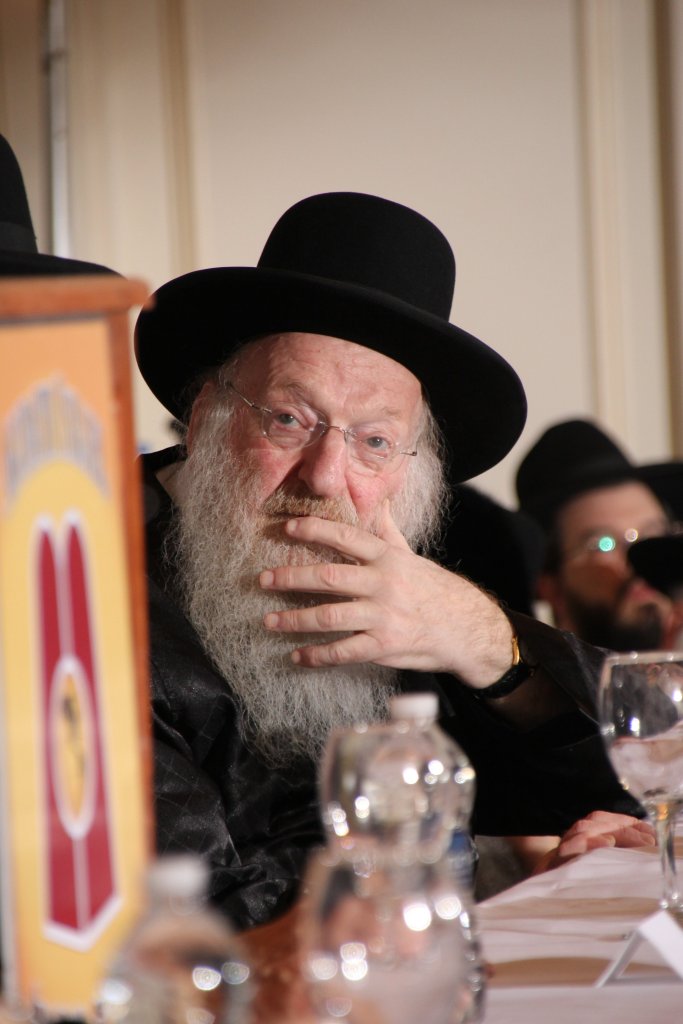
Rav Moshe Feinstein

In the Pesach Haggadah we criticize the wicked son for using the term “your God,” because it implies that Hashem is not his God. Why, then, does the person bringing Bikkurim refer to “your God”?

The Sages (Bereishis Rabbah 1:4) teach that the mitzvah of Bikkurim is one of the reasons that Hashem created the world. What is unique about this mitzvah?

Many people who do not believe in Hashem act nicely and kindly because that is their nature. However, such people cannot necessarily be trusted to act properly. For example, when our forefather Avraham arrived in Gerar (Bereishis Ch. 20), he and Sarah claimed that she was his sister. When Avimelech had her brought to him, he was punished and Hashem told him that she was in fact Avraham’s wife.

Avimelech took Avraham to task for misleading him, and Avraham replied, “…there is no fear of God in this place and they would kill me because of my wife.”

Avimelech asserted that his citizens were kind and hospitable people who had established many helpful institutions. Avraham agreed — and went on to explain that this was simply not enough. The citizens were caring because that is what they wanted to do, not because their moral code required it. However, if they wanted his wife more than they wanted to be friendly, nothing would prevent them from killing him.


How do we know if people are naturally kindhearted or are consciously following Hashem’s command to be kind? We must consider many factors. Do they give the needy from the best they have? Do they lord it over others and expect obeisance? Do they give only what they must, or give generously?

Bikkurim testified to the Jews’ love of Hashem’s mitzvos. Although one was obligated to bring only his first fruits, the people brought more fruit, beautifully arranged in baskets, and adorned with birds that they brought as offerings.

Since this was such a labor of love, one might think that it should be given exclusively to an outstanding Kohen. That is why the Torah specifies that one give it to whoever will be the Kohen in those days.

The way the Bikkurim were given demonstrated the farmer’s recognition that everything comes from Hashem, Who today gave him his land, so it is as if he arrived there that very day.

When he tells the Kohen that he is coming before “your God,” the farmer is saying that this gift was never his; the first fruits were always intended by Hashem to be given to those who serve Him in the Beis HaMikdash.

In all, this was a tremendous affirmation that everything was created to bring honor to Hashem, and that is the purpose of all Creation, as the prophet says (Yeshayahu 43:7), All that is called by My Name, indeed, it is for My glory that I have created it, formed it, and made it.


ELUL INSPIRATION: The Anthem of Elul

Adapted from: Steps to the Throne by Rabbi Nosson Muller

אַחַת שָׁאַלְתִּי מֵאֵת ה׳ אוֹתָהּ אֲבַקֵּשׁ, שִׁבְתִּי בְּבֵית ה׳ כָּל יְמֵי חַיַּי, לַחֲזוֹת בְּנֹעַם ה׳ וּלְבַקֵּר בְּהֵיכָלוֹ
One thing I asked from Hashem, that shall I seek: to dwell in the House of Hashem all the days of my life, to behold the sweetness of Hashem and to contemplate in His Sanctuary. (Tehillim 27:4)

This verse, in the chapter of Tehillim added to our daily prayer during this special time of year, has become the anthem of Elul. After all is said and done, the Jewish heart, at its core, seeks only one thing: to dwell in the House of Hashem, and to gaze at His sweetness.

An insight into the repetitious nature of the pasuk which uses the words sha’alti and then avakesh, is offered by R’ Dovid Soloveitchik.

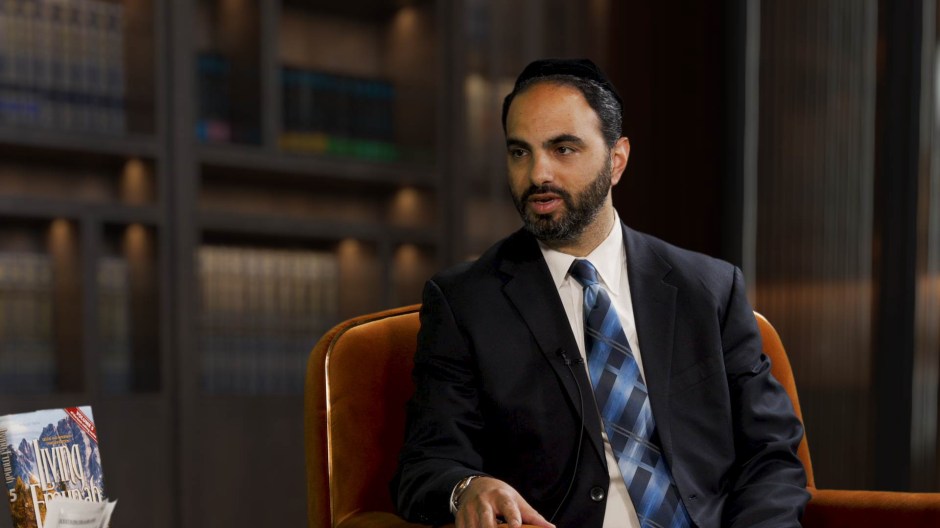
Rav Dovid Soloveitchik

The choices people make are normally governed by the available options. For example, a child will typically choose a red lollipop above any other color. However, when red is not an available option, no child will reject candy altogether. He will pick from whatever is there.

Adults are no different. If we were offered any gift in the world, we would choose whatever we’d like to have most. Some would take a house, others a successful career, and still others would opt for a new car.

In the event a person’s first choice is not on the list of items offered, he will not walk away from the overall offer. He will happily settle for the next best thing available.

A man chooses from what there is.

In this verse, we express that in this case, it is different. There is no choice to make. A place in Hashem’s Home is the only thing we need, the only thing we lack.

We begin by asking for just one thing, Achas sha’alti. We then reiterate our request with osah avakesh, making it clear to our Benefactor that no replacement will mollify our desire for His Presence in our lives.

We want nothing else and ask for nothing more.

Osah avakesh: It is only for this that we ask.

Because it is the one and only thing that matters to a believing Jew.

———

After our entreaty for a permanent residence in Hashem’s dwelling, the pasuk continues with a request to gaze at the sweetness of Hashem.

In the context of the verse, the two seem to be connected. Only with a permanent residence in Hashem’s Presence can His true sweetness be perceived.

Why must one follow the other?

R’ Dovid Soloveitchik explains with an incident from his youth.

As a youngster in Brisk, R’ Dovid Soloveitchik observed a Jew who was perpetually happy. A wide smile always appeared on his face, and no situation would ever drag him down.

One day, R’ Dovid encountered this fellow in the mikveh. He was groaning deeply, with a sadness that seemed to emanate from the deepest parts of his soul. It was completely out of character for a man who never showed any despair, and shocked R’ Dovid to the core. Upon returning home, R’ Dovid shared his astonishment with his father, the Brisker Rav.

“The man you met has a very difficult life,” the Brisker Rav replied. “His tribulations are enormous, and he was letting out his pain.”

“But he is always so happy. What happened today that he couldn’t control his sadness like he usually does?” asked R’ Dovid.

“It wasn’t specific to today,” the Rav explained. “This fellow is a true scholar and he staves off his sorrow with the constant study of Torah. The joy it brings him keeps a smile on his face. In the mikveh, however, he is forced to stop. It is forbidden to learn there so his pain overwhelmed him.”
This Jew in Brisk merited to constantly reside with his Creator through the study of Torah. It enabled him to see the beauty of Hashem despite his difficult situation.

Torah adjusts the lens through which we look at our personal difficulties and struggles. Everything Hashem does carries incredible beauty, even in places where it is not apparent on the surface.

Studying Torah enables us to always perceive that as an absolute truth.

When we live with Him, we realize His sweetness.

YOU CAN’T WALK AWAY

Adapted from: The Power of a Vort by Rabbi Yissocher Frand

לֹא תִרְאֶה אֶת שׁוֹר אָחִיךָ אוֹ אֶת שֵׂיוֹ נִדָּחִים וְהִתְעַלַּמְתָּ מֵהֶם הָשֵׁב תְּשִׁיבֵם לְאָחִיךָ. …
וְכֵן תַּעֲשֶׂה לְכָל אֲבֵדַת אָחִיךָ אֲשֶׁר תֹּאבַד מִמֶּנּוּ וּמְצָאתָהּ לֹא תוּכַל לְהִתְעַלֵּם
You shall not see the ox of your brother or his sheep or goat cast off, and hide yourself from them; you shall surely return them to your brother…and so shall you do for any lost article of your brother that may become lost from him and you find it; you shall not hide yourself (22:1,3).

The Torah is generally extremely economical in choosing its words. Every word that doesn’t serve an absolute purpose is expounded by Chazal. It’s surprising, therefore, to find the same word appear five times — seemingly redundantly — in three verses regarding the mitzvah of hashavas aveidah (returning a lost object): achicha, your brother. When we read the pesukim, it seems obvious that the Torah could have used pronouns or no word at all. To give one example, the first of the pesukim could have ended with hasheiv t’shiveim lo, you shall surely return them to him. Or even better, why not skip that last word altogether, and just say, “You shall surely return them”?

Rav Mattisyahu Solomon provides a beautiful answer based on a principle he develops in Parashas Vayeitzei.

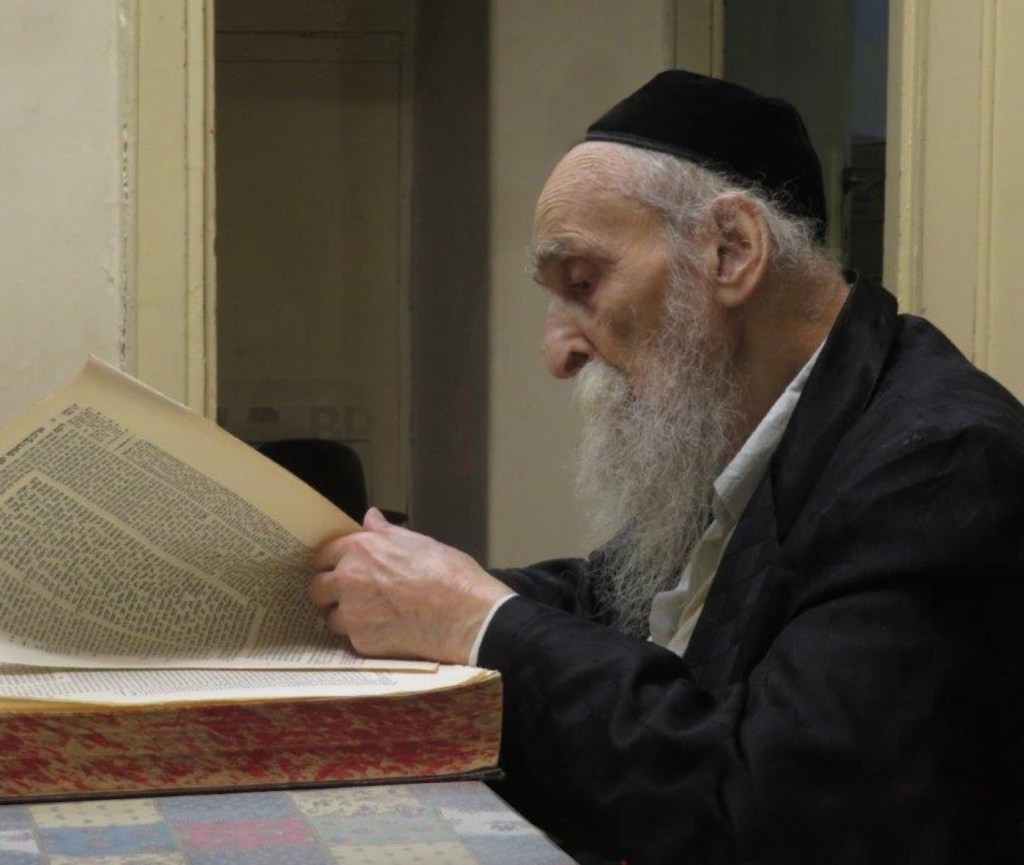
Rav Mattisyahu Salamon


When Lavan and Yaakov decide to erect a monument to serve as a concrete reminder of their non-aggression pact, the Torah states (Bereishis 31:46): Vayomer Yaakov l’echov liktu avanim, Yaakov said to his brothers, “Gather stones”. Who are Yaakov’s “brothers”? Yaakov had only one brother, Eisav, and he certainly wasn’t coming to Yaakov’s aid at this point!

Rashi answers that this refers to his sons, who are referred to as brothers because they were “brothers in arms.” When Lavan initially pursued Yaakov and seemed set to attack him, his children were ready to join Yaakov in defending the family. When a person is willing to risk his life for someone he loves, the Torah expresses that relationship as achvah, brotherhood.

The Midrash (Bereishis Rabbah 74:14) teaches that because they were ready to don the same “uniform,” they became known as brothers. In Lashon Kodesh, everything is defined by its essence. The essence of brotherhood is not the exact biological relationship, but by the kinship of emotions and of purpose that a bond creates. If the same bond exists between father and son, that, too, is called brotherhood.

When it comes to hashavas aveidah, says Rav Mattisyahu, the Torah is teaching us that the mitzvah is not to merely return a lost object to its owner, but that we should care about the owner of the object as we do for a brother.

The last three words of the parashah of hashavas aveidah are: lo suchal l’hisalem, which, translated literally, means, “You cannot look away.” Rav Mattisyahu points out that this expression is atypical. Normally, the Torah would say, “You are not allowed to look away.” Why does the Torah say, “You cannot look away?”

The answer is that this goes to the basic root of the mitzvah. The point is not to say, “I would love to walk away, but what can I do, the Torah requires me to take care of my friend’s object.” The point is that when you see something that belongs to your friend, you should feel, I CAN’T walk away. I cannot possibly turn a blind eye when my brother is missing something and is suffering from the loss!