
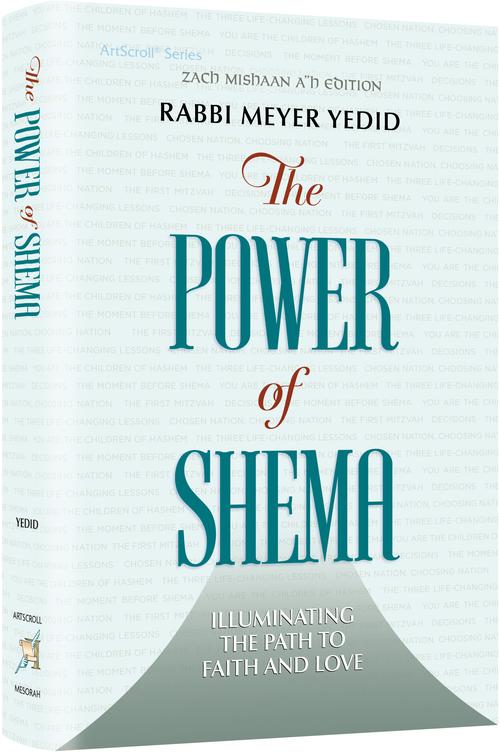
Adapted from: The Power of Shema by Rabbi Meyer Yedid
Torah brings so many benefits and Torah itself is so beautiful, so enjoyable, so great to be around as much as we can. But, like everything else in life, if you don’t give it the proper kavod, respect, you will not realize that potential.
We see this principle with regard to David HaMelech: When he was older, he no longer derived warmth from his clothing. Chazal tell us that this was because, on one occasion, David did not show respect to clothing the way he should have, at his level. On that occasion, he cut off a piece of Shaul HaMelech’s robe. He did it for a good reason. But again, Chazal saw in that a bit of disrespect for clothing. As a result, clothing was no longer able to benefit him.
And we learn a rule from that. The rule is that if you give honor to something, it will give you something back, and if you disrespect something, it will give you little, if anything, back. Whatever you respect in life will reciprocate. If we expect to have the Torah light up our life and light up our insides and outsides and light up our relationships and light up our middot, we first have to show it kavod. We have to respect it.

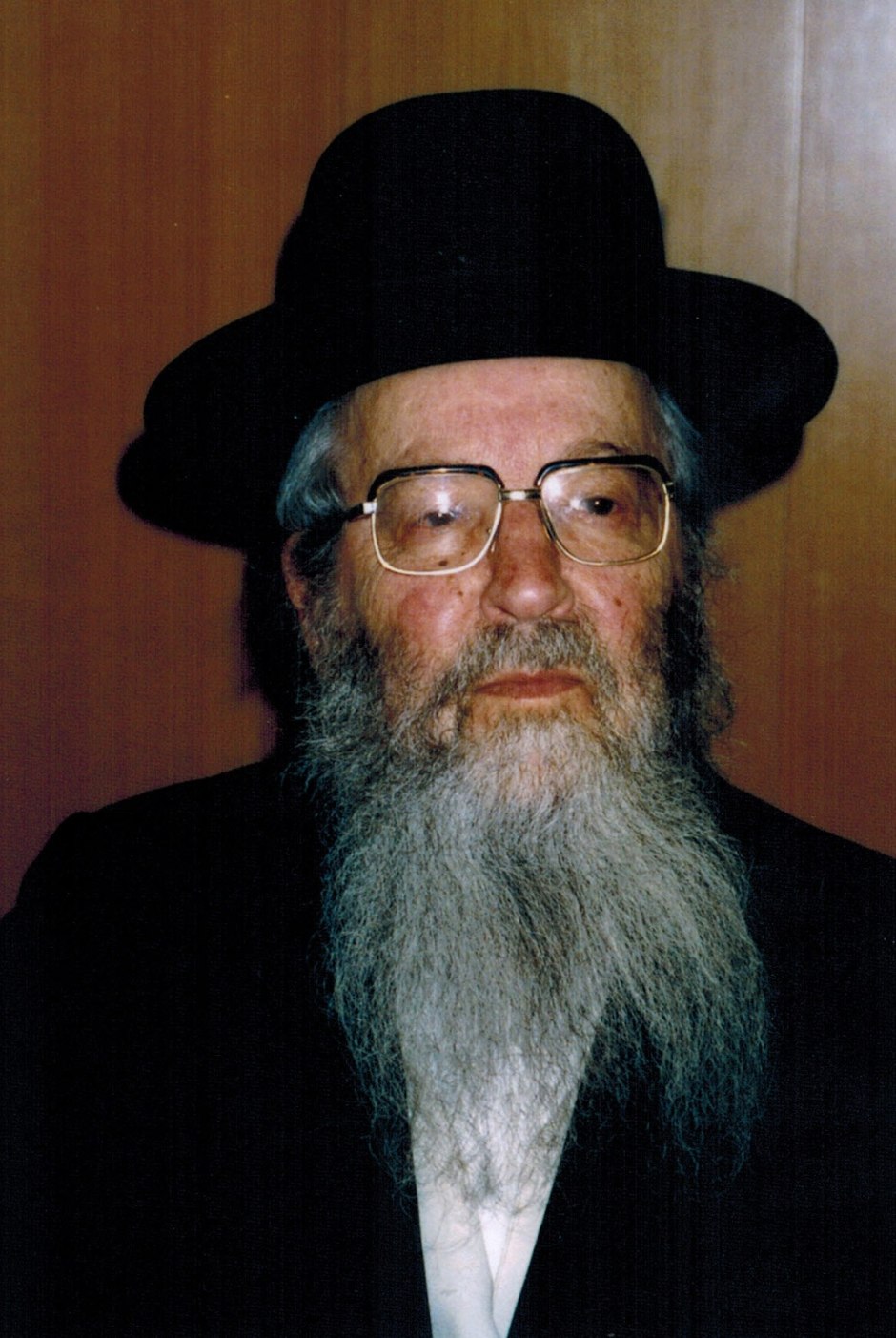
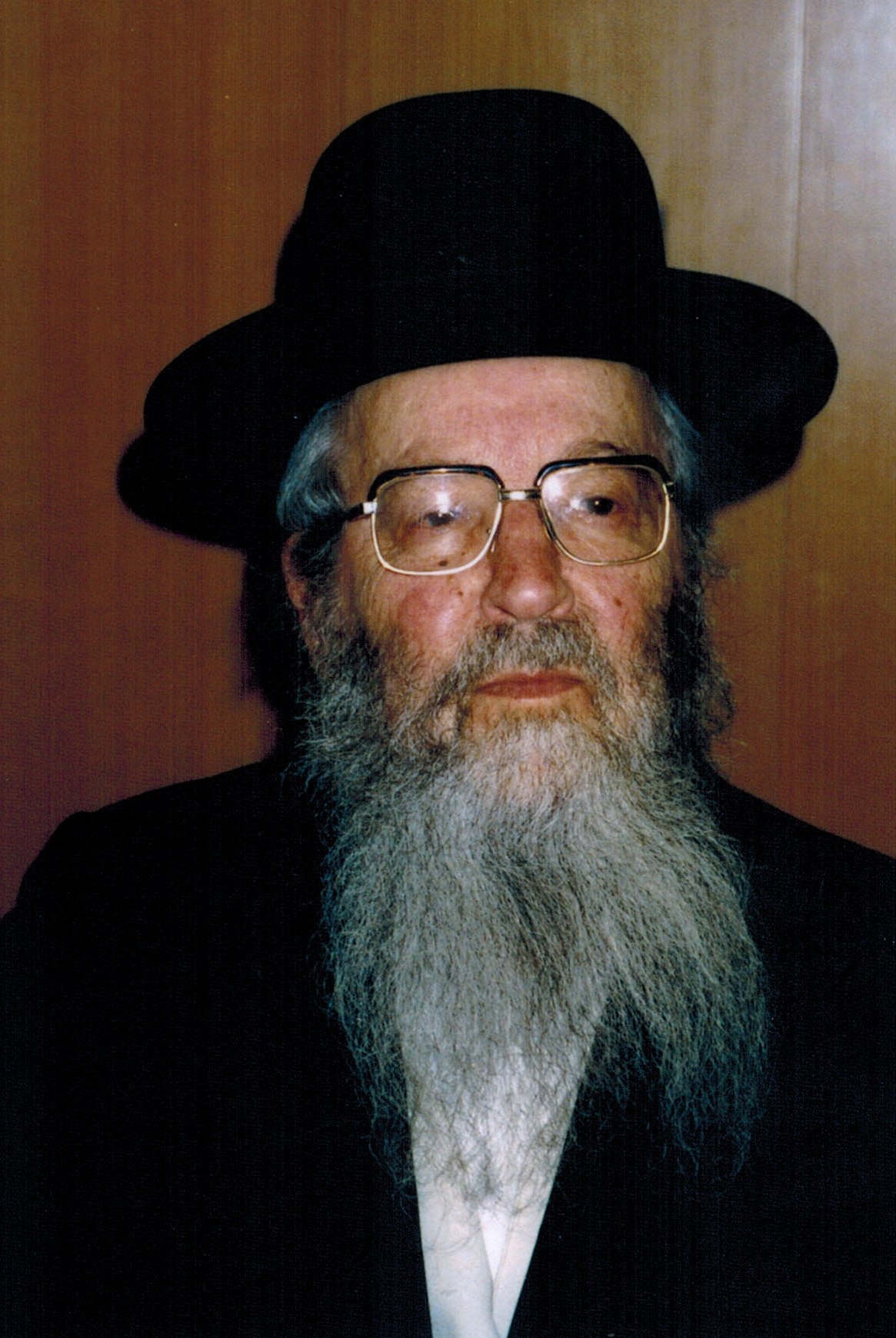
How do you respect Torah study? I saw a beautiful story about R’ Moshe Shmuel Shapiro. Somebody invited him to be the sandak at a bris taking place in a city nearby in Eretz Yisrael and he declined. One of the people who were close to him questioned why he declined. R’ Shapiro explained, “It’s true that when you go to a brit milah you meet Eliyahu HaNavi, but when I go to the Gemara, I meet the Ribbono Shel Olam! How can I leave the Ribbono Shel Olam in the Gemara in order to meet Eliyahu HaNavi?”
R’ Shapiro’s attitude was: When I’m learning, I’m learning with Hashem.
Is that the attitude we have when we open a Gemara, when we open a Chumash? Do we say to ourselves: We’re with Hashem? Do we give kavod to the Torah in that way?
That’s what we need to do.
We need to understand where the Torah comes from and Who we’re with when we learn it.
A person who loves the Torah makes sure he has time to learn it, whatever he’s capable of doing. Some people are capable of learning only twenty minutes a day. That’s it. They’re only capable of twenty minutes. But if they make sure to use those twenty minutes for learning, they’re giving kavod to the Torah. And some people can learn an hour and some people can learn two hours and some can learn ten hours. Whatever a person can do. The point is not how much; the point is to be mechabed the Torah, to honor it and recognize its value.
When you are mechabed the Torah, the Torah is mechabed you. It gives you all the benefits that you need.

How else are you mechabed the Torah? When you clarify things, when you try to understand things, when you do chazarah (review). Recently, I saw someone sit down and write notes on something he had just learned. That’s called kavod haTorah. When you see someone writing notes as he reviews, that’s called honoring the Torah: I didn’t come here just to show my face. I didn’t come here to check in and check out. I’m doing chazarah because it’s actually important to me. I want to understand it. I don’t want to forget it. That’s called kavod haTorah.
When you are mechabed the talmidei chachamim, when you are mechabed those who learn the Torah, that’s also called kavod haTorah. When you buy beautiful sefarim, when you don’t throw them around, when you have your own Gemara that you take with you — do you know how precious it is when someone brings his own Gemara from home and proceeds to learn with it? There’s nothing wrong with finding a Gemara on a shelf and using that, but when you bring your own, that’s kavod haTorah!
The more kavod haTorah we have, the more we will be able to learn and enjoy the Torah.




 The Official ArtScroll Blog