

Adapted from: Reb Meilech on the Haggadah by Sruly Besser
One year, on the first day of Pesach, R’ Shlomo Zalman Auerbach asked the kinderlach in the Gra shul if they had asked the Four Questions the night before. They told him that they had, and he asked them what answer they had received.
“Avadim hayinu,” one of the children answered confidently.
“But didn’t you ask the same questions last year, and receive that very answer?” R’ Shlomo Zalman wondered, “and the year before that as well?”
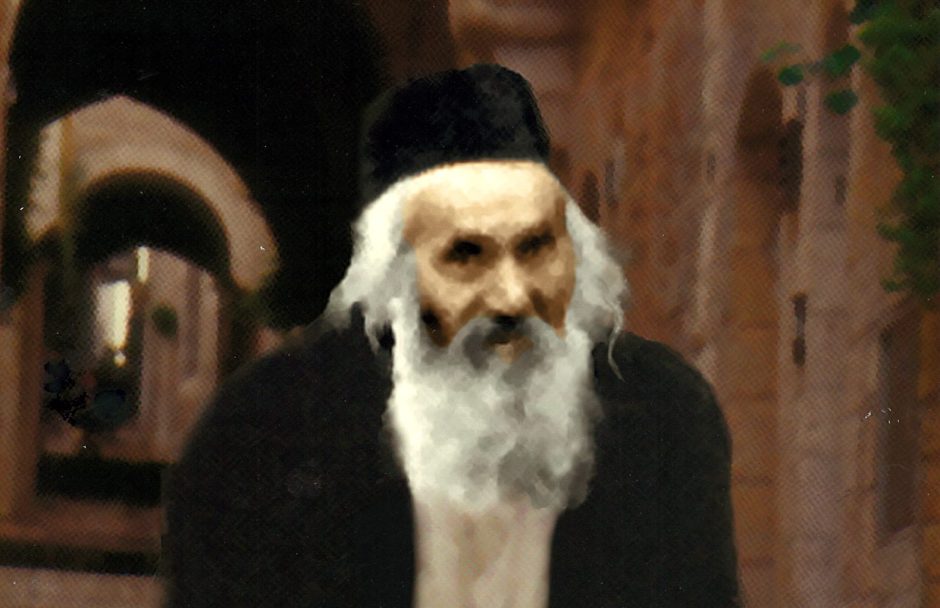
As the children tried answering him, he recalled being their age, walking with his father to the Kosel on Pesach. On the way, they met the Yerushalayimer Rav, R’ Yosef Chaim Sonnenfeld, who asked the young Shlomo Zalman this very question.

The child had no good answer, and he started to cry, desperate to know why we repeat the question if it had already been answered.
Perhaps we can answer the question with the words of the Oheiv Yisrael, R’ Avrohom Yehoshua Heschel of Apta, who explains the unique commandment to remember Yetzias Mitzrayim on this night, when we have an identical commandment every day of the year.
During the year, he writes, a person might say the words or hear the account of Yetzias Mitzrayim, but not always be able to internalize the message and absorb it fully. “But on the night of Pesach, a great light is awakened within a person, and at that moment, a father has a special ability to imbue the fundamentals of true emunah in the hearts of his children.”
The nature of the Leil HaSeder is such that the words transmitted by the father on that night will be received into the hearts of his children.

This is why we repeat the very same answer given the year before, and that is why there is an obligation to say the story again, no matter how well-versed a person might be in its details.
We are not merely conveying information or facts, but something deeper and more profound, and when hearts are open, we repeat it, seizing these moments year after year, for that is how we plant the lesson of emunah.
There was a Yid in Manchester, England, named R’ Yaakov Yosef Weiss. He recalled being in the concentration camps alongside a particularly dispirited person. Through the worst moments, R’ Yaakov Yosef kept repeating that the Ribbono shel Olam is good and all He does is good, proclaiming his emunah. His companion did not like hearing it, and he shared his skepticism with R’ Yaakov Yosef at every opportunity.
Eventually, they ended up on line for the crematorium, and it was clear that the end was imminent. This person turned to R’ Yaakov Yosef and bitterly asked, “Do you still believe that it is all good and there is a plan?”

“Yes, of course,” came the firm reply, “the Eibishter is here, with us, and His rachamim surrounds us at this very moment.”
Moments later, they were inside the room, but there was a delay. The doors couldn’t close properly, and so the guards pulled out a few inmates to make room, telling them to wait for the next shift.
R’ Yaakov Yosef, he of the emunah and conviction, was saved.
He would share the story at the Seder each year, surrounded by children and grandchildren. When they would ask him how he, a young man at the time, had such clarity and faith, he would tell them that all his emunah came from hearing sippur Yetzias Mitzrayim as a child.
As the Ohev Yisrael writes: On this night, the child is not just able to hear, but also to absorb, internalize, and make it part of him so that he has it forever. Share the story with joy, because this is the story they will remember.




 The Official ArtScroll Blog