

Adapted from: One for the Books by Rabbi Yechiel Spero
During World War II, Chana’s life was crushed beyond recognition. The flames consumed everything: her family, her home, her community, her very world. Everything. Gone.
She endured the seven levels of gehinnom, wandering through a world where every breath seemed more like a burden than a blessing.
And yet, she lived. She survived Auschwitz — Auschwitz! — that place where death hovered over every corner, and life seemed like an impossibility.
How often did she wish she hadn’t lived? To survive, only to find herself in a desolate land of broken hearts and disillusionment, sometimes felt like a cruel twist of fate. But Hashem willed that she should live, and so, she was spared.

After the war, with no home, no family, she made her way to France, where she met another survivor. He, too, had lost everything, and together they tried to piece back the fragments. They married and dreamed of building a family. But Hashem had other plans, and children was not one of them.
So they continued, just the two of them, holding onto each other, holding onto their Yiddishkeit. They kept Torah and mitzvos, and they kept their faith, even as it seemed that all was taken from them. But even the strongest individuals sometimes wonder, How much more can we endure?
One Friday, as Chana prepared for Shabbos, she left her pots on the stove and rushed out to pick up a few last-minute items from the local grocer. She thought she had turned down the flames. But in her haste, she hadn’t. While she was gone, her home — the home she had so painstakingly built — went up in flames.
The neighbors watched in horror as the fire engulfed the house, despite the valiant efforts of the fire department. What now? they thought. They had seen Chana rise from the ashes once, but this? This might be too much, even for her.

They knew they had to act quickly. What if this fire, after all the loss Chana had endured, would be the blow that would finally break her spirit?
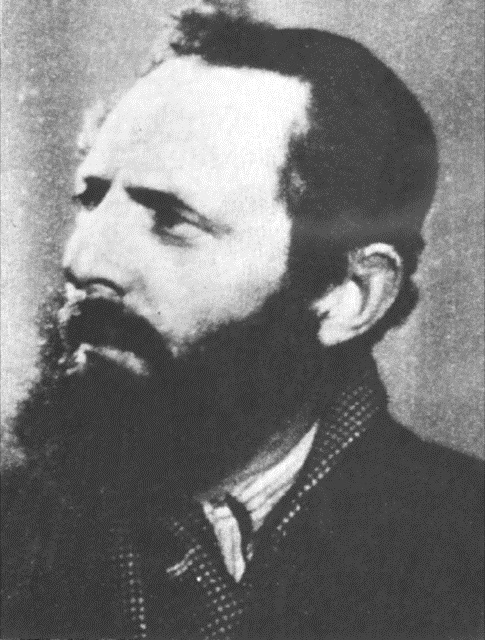
To whom could they turn in such a moment of desperation? They ran to the home of Rav Mottel Pogromansky, the great gaon, who was living in France at the time. They told him about the fire that was destroying Chana’s house, and how they feared for their friend. Could her soul handle any more?
Rav Mottel was silent for a moment, his eyes closed. Finally, he opened them and instructed the neighbors, “Go. Run to the store. Stop your neighbor before she gets home and sees the fire. And tell her this: If she accepts this potch, this searing pain, as yissurim shel ahavah (suffering given out of love), then I promise her she will be blessed with a child.”
One of the women mustered the courage to hint at the unspoken truth. Chana couldn’t have children; physically, it was impossible.
Rav Mottel didn’t waver. “Go!” he urged. And they ran.

The neighbors met Chana just as she was leaving the store. Gently and carefully, they told her what had happened. Before giving all the details, however, they shared Rav Mottel’s promise: If she could accept this pain, she would be blessed with a child.
Chana stood still. The strain of it all pressed down on her. She cried. Tears of anguish, of sorrow. But she didn’t fall apart. She didn’t crumble. Instead, she reached into her soul and found the faith that had carried her through so much.
She accepted.
Rav Naftali Greenzweig finished the story, his voice choked with emotion.

“Chana was blessed with a child.”
With trembling lips and eyes blurred by tears, he added, “Not only am I her son, but I was not the first, nor the second. I was the fifth child. Chana, the woman who could not have children, was blessed with five children.”
Rav Naftali then added one final thought, a truth so powerful that it leaves one breathless. “Doctors, medicine, and statistics can dictate only so much. They told my mother that children were impossible. The experts, the charts, the science… all said no. But ultimately, it is Hashem who determines everything. EVERYTHING. And as long as we hold onto Him, no matter how long the night, no matter how impossible the odds, anything can happen.”
Because with Hashem, nothing is impossible. The miraculous can emerge from the impossible, as long as we never let go.


 The Official ArtScroll Blog