
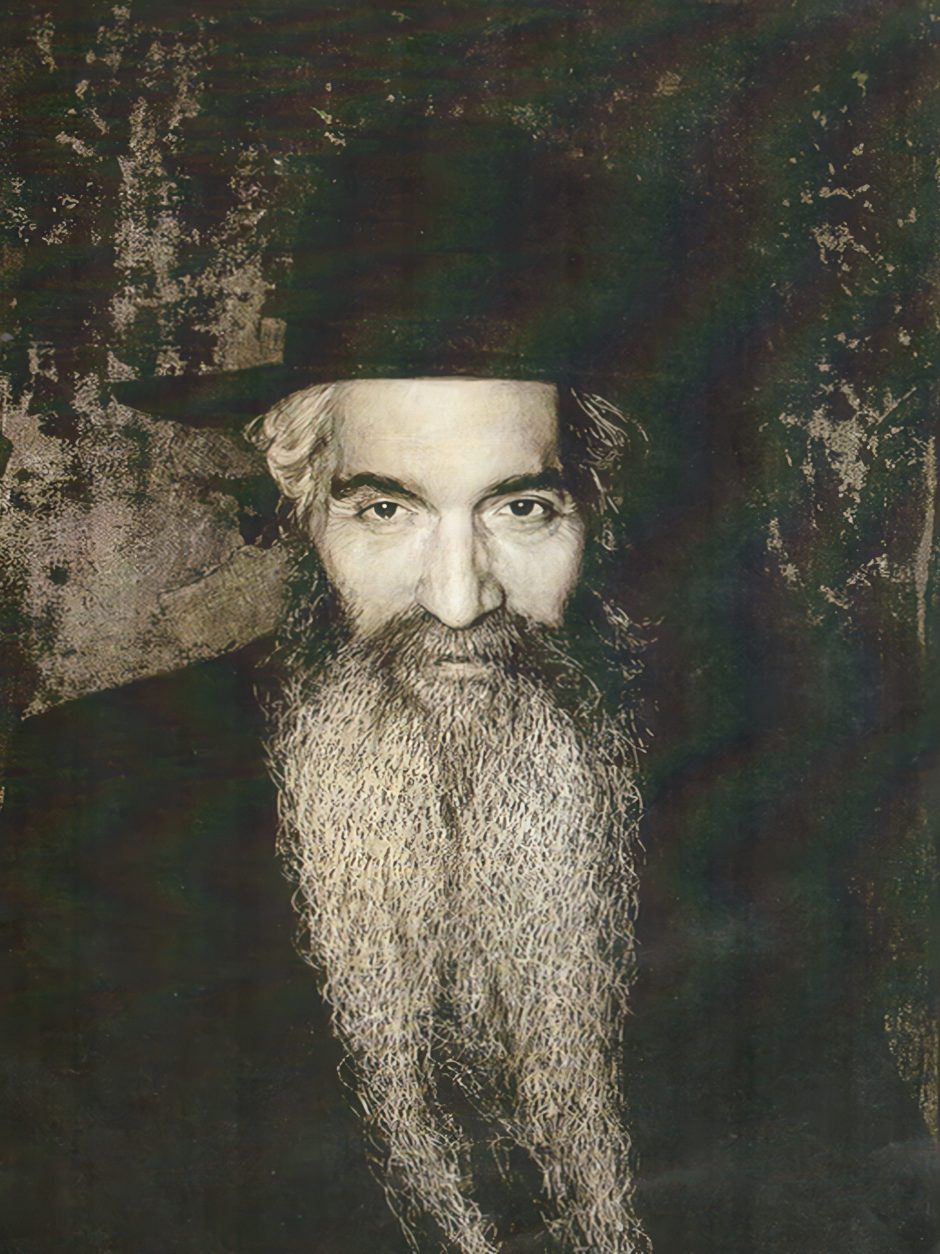

Adapted from: Rabbi David Chai Abuchatzeira on Emunah and Bitachon
When a person has bitachon, it strengthens his heart so that he does not despair, regardless of what happens to him. Even when faced with adversity, he will strengthen himself with the confidence that whatever happens is from Hashem, Who seeks his benefit. Complete bitachon involves knowing that everything that happens to a person is true, absolute goodness; even if he cannot perceive how this is good, he should strengthen his heart to believe that this is absolute goodness. This is a fulfillment of the Mishnah’s teaching that a person is obligated to bless Hashem for the bad just as he blesses Him for the good (Berachos 54a), meaning that he must accept all that comes to pass with joy (ibid. 60b).

A wondrous story is told of the Rebbe R’ Zushe of Anipoli, brother of the Noam Elimelech. The Mezeritcher Maggid was once asked how it is possible for someone to bless Hashem for the bad exactly the same way as he blesses Him for the good, and the Maggid instructed him to present his question to R’ Zushe, who would make the answer clear. The impoverished R’ Zushe replied, “I don’t know the answer. How can I explain to you how to bless Hashem for the bad, when nothing bad has ever happened to me?” The questioner then understood how it is possible for a human being to achieve this level of contentment with his lot, for despite R’ Zushe’s dire poverty, he believed that this was surely for the good, to the extent that he could not think of anything bad in his life. Indeed, a true tzaddik does not feel that he lacks anything, even when he experiences adversity.

Even a person whose bitachon is not yet unshakable, and who is unable to strengthen himself to the point that he believes that everything that happens to him is purely good, must still have faith that the purpose of these misfortunes is to ultimately bring him good. Although matters are difficult for him now, he should know that this is all a preparation for the good that will eventually come to him. This is the meaning of the pasuk (Tehillim 107:43), Whoever is wise and guards this, will comprehend the kindnesses of Hashem. The word “guards” bears the connotation of “awaits,” as the pasuk says (Bereishis 37:11), His father guarded the matter, meaning that he awaited its fulfillment. The pasuk can therefore be understood to mean that even though what is happening to a person now seems to be negative, he should wait for the storm to pass and anticipate the time when he will be able to clearly see that everything was for his benefit. Then, he will be able to comprehend Hashem’s kindnesses, for all that Hashem does is for the best.




 The Official ArtScroll Blog