
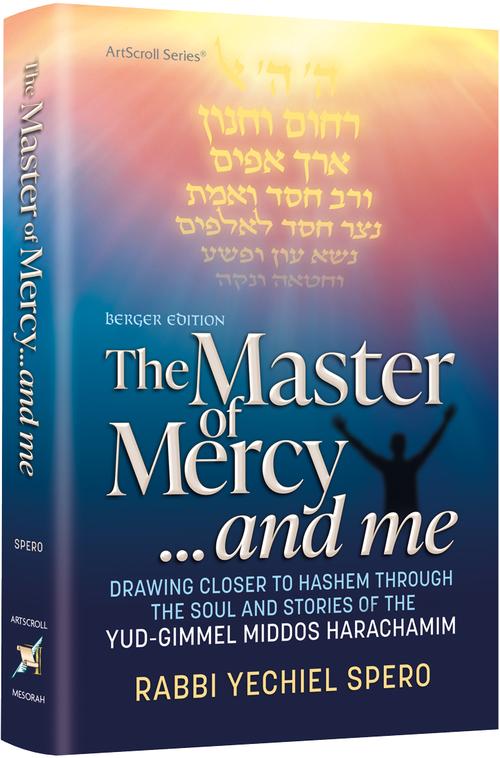
Adapted from: The Master of Mercy…and Me by Rabbi Yechiel Spero
תַּאֲזִין שַׁוְעָתֵנוּ וְתַקְשִׁיב מֶנּוּ מַאֲמַר: כְּיוֹם וַיִּקְרָא בְשֵׁם ה’, וְשָׁם נֶאֱמַר:
Give heed to our cry and be attentive to our declaration, as on the day “He called out with the Name Hashem,” and there it was said…
After we declare “Keil Erech Apayim Atah,” and acknowledge Hashem as the Master of Mercy Who has shown us the path to repentance, we move on to the next seven lines. Each one is a plea for Compassion, each one reflecting a different facet of Mercy.
The seventh and last one is, “Taazin shavaseinu, v’sakshiv menu maamar…Give heed to our cry and be attentive to our declaration.”
This is the final step. The deepest level of tefillah comes without words; it is shav’ah. A cry. A groan. A soundless plea that comes from the deepest place.
“Taazin — Give heed.” Bend down, so to speak. Come close.
We depend on You.
Just You.

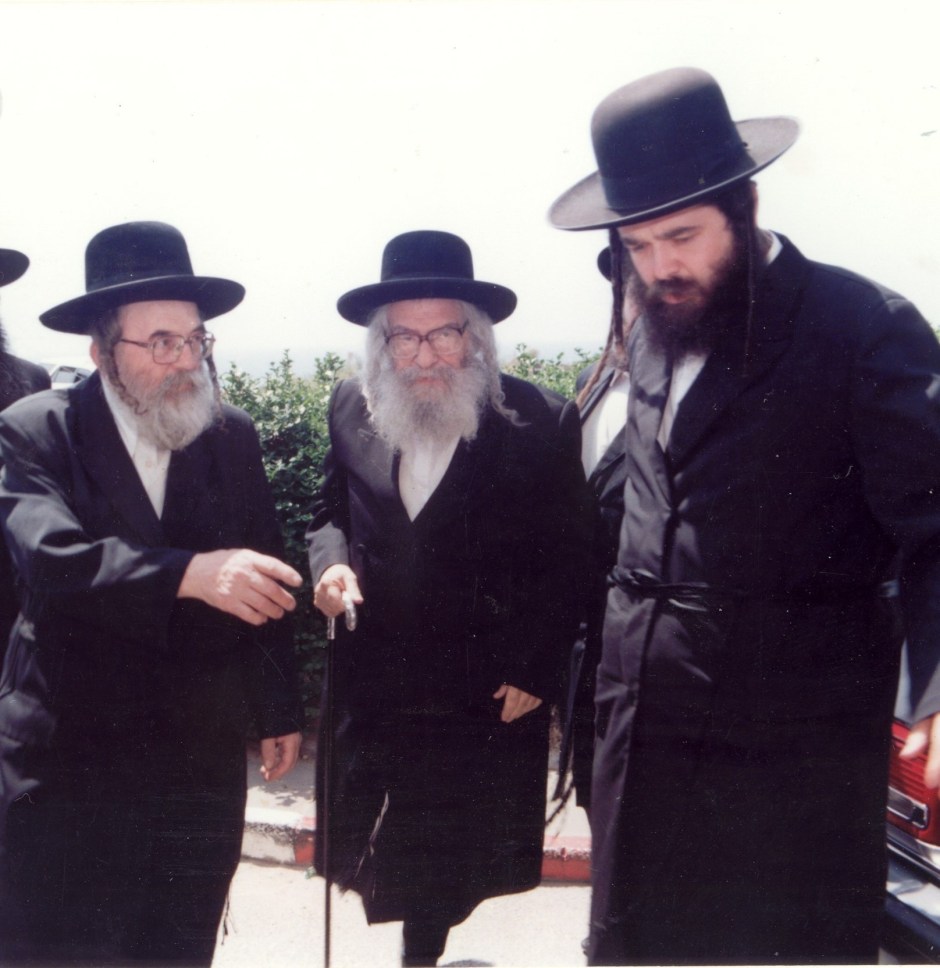
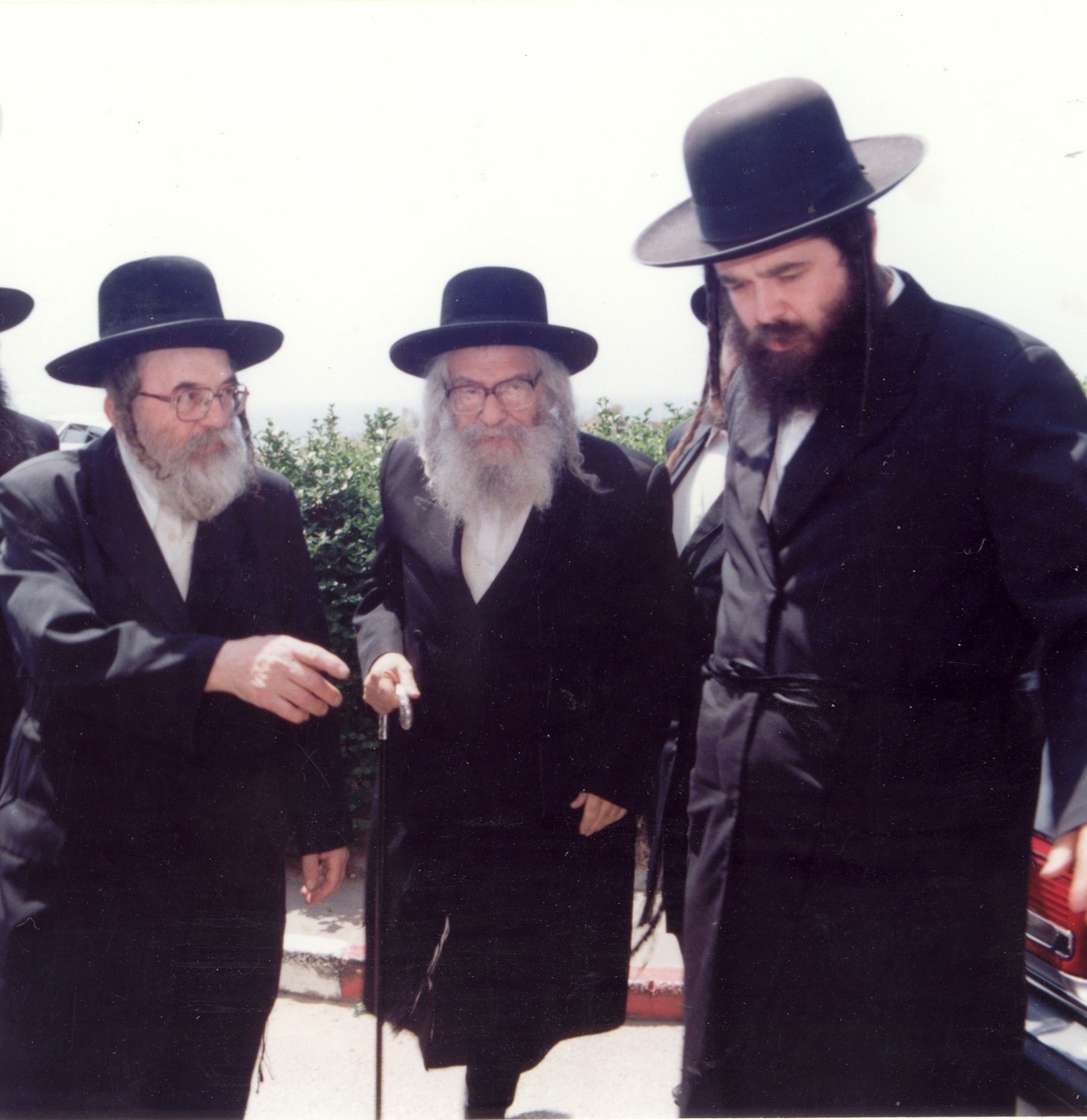
The Pnei Menachem shared a meaningful story, told to him by Dr. Eizelbach, the personal physician of his father, the Imrei Emes of Ger.
Before Dr. Eizelbach came to care for tzaddikim, he trained under one of the greatest medical minds in the world, a master surgeon in Vienna, the capital of medicine at the time.
This story took place roughly a century ago, when medicine was far more art than science. There were no MRIs. No advanced antibiotics. No heart-lung machines or modern monitoring tools. Surgeries were high-risk procedures. Survival often depended as much on intuition as on skill. Every movement in the operating room could make the difference between life and death.
One day, Dr. Eizelbach, then a young intern, was asked by his mentor to assist in a particularly delicate operation. The patient’s stomach needed to be carefully sutured, and the surgeon needed another steady pair of hands to hold the two torn parts of the organ together while he stitched.
The room was still. Every breath measured. Every hand gloved and steady. Dr. Eizelbach focused completely on his task, his fingers applying gentle but firm pressure to the sides of the stomach, as his mentor sewed the tissue back together.
Suddenly, he felt a sharp, stabbing pain shoot through his hand. Real blinding pain.
His mentor, absorbed in the rhythm of stitching, had accidentally pushed the needle through the patient’s tissue, and then straight into his assistant’s hand. Though his mentor took it out right away, Dr. Eizelbach still suffered a piercing wound as a result of this medical mishap.
Any normal person would have gasped. Screamed. Pulled back reflexively in alarm and pain.
Not Dr. Eizelbach.
With superhuman self-control, he said not a word. He didn’t recoil. He didn’t move.
He knew that even a small jolt could cost the patient his life — a movement that disrupted the surgeon’s concentration, a tear in the delicate operation. So, he bit his lip. And stood firm.
After the surgery, he mentioned the incident to his mentor, to simply explain why he hadn’t reacted.
The senior doctor was flummoxed. “You mean you felt the pain? The entire time?”
He nodded.
The surgeon gazed at him in awe and said, “You will be an exceptional physician one day.” Slowly, he added, “Come. There’s something I want to show you, something I’ve never shown another soul.”
Flattered and curious, Dr. Eizelbach followed his mentor to a private inner office.
The great surgeon opened a locked drawer and took out a sealed envelope. Dr. Eizelbach peeped at it curiously.
His mentor held it up and said, “Inside this envelope is a list of every patient I’ve seen or operated on in the past month. Next to each name, I wrote a prediction, who I believe will live and who will not.”
Dr. Eizelbach was shocked. How could the senior doctor possibly know? These were complicated cases; some critical, some uncertain.
The doctor continued, “Take this envelope. In two weeks, open it. And see if what I’ve written holds true.”
Two weeks later, Dr. Eizelbach opened it. To his astonishment, it was exactly as predicted. Every person the surgeon had said would survive had lived. And every person he said would not had passed away.
Dr. Eizelbach returned to his mentor, both shaken and intrigued. “How on earth did you know? What was your method? You’re not a prophet; how did you do it?”
The doctor revealed the secret. “It’s the eyes, Dr. Eizelbach. When a patient walks into my room, I look into their eyes. And I can tell. Those who have hope in their eyes — they live. Those who have already given up — they rarely make it. The eyes tell me everything.”
The Pnei Menachem explained what this means for us.
In medicine. In life and death. And in our spiritual lives.
So many of us come to Elul and Tishrei wounded, spiritually unwell. We carry years of struggle, distance, coldness.
Sometimes, we wonder: Do we still have a chance?
The key lies in the eyes. As we say in Mussaf of Rosh Hashanah, “Eineinu lecha teluyos — Our eyes look toward and depend upon You.”
With hope. With yearning. With the silent cry of a heart… we will get there.
TAKEAWAY
If you believe you will get there, then you will get there. As long as your eyes keep looking Upward.

 The Official ArtScroll Blog