
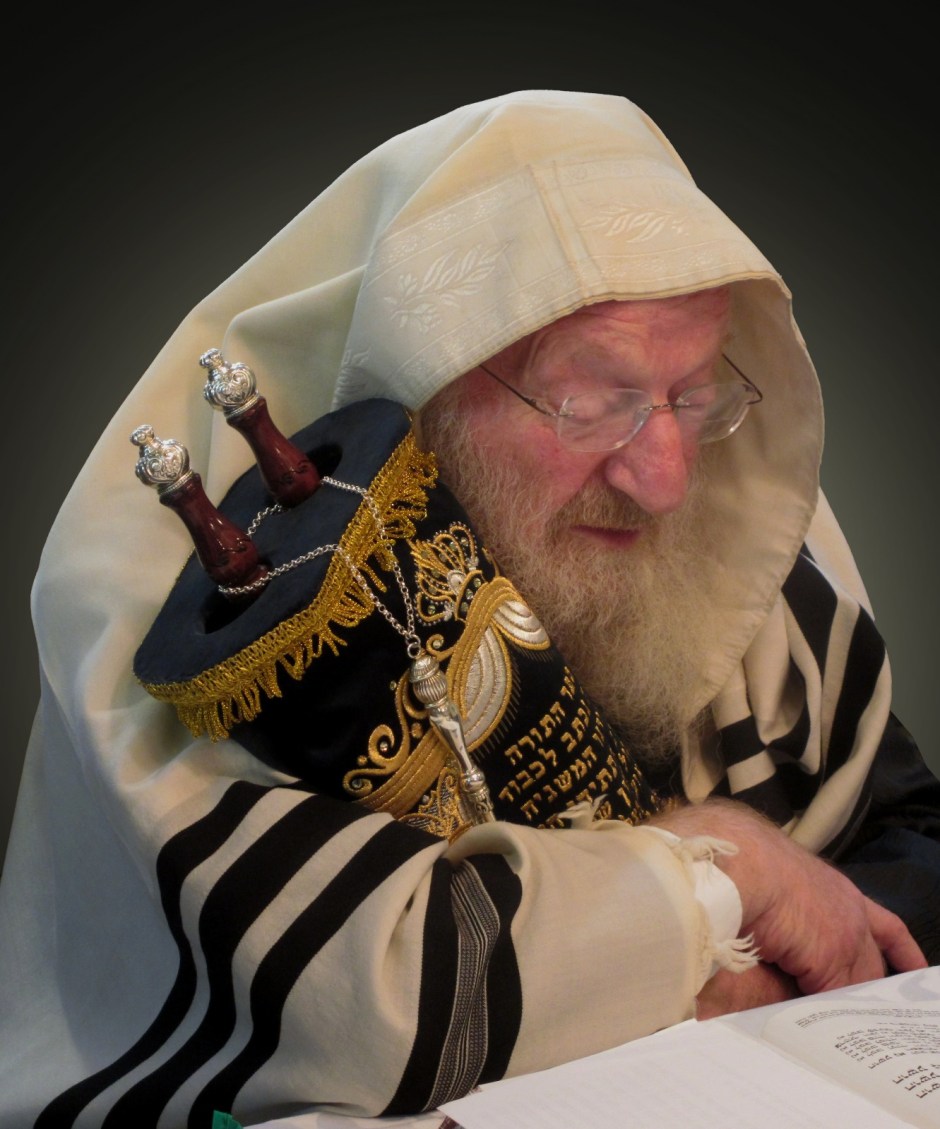
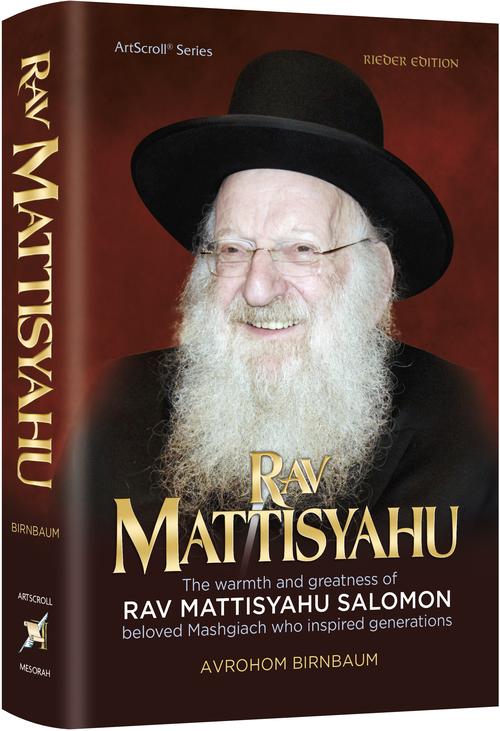
Adapted from: Rav Mattisyahu by Avrohom Birnbaum
It was Yom Kippur. The year in Gateshead had been a difficult one, with several tragedies. Davening in the Gateshead Yeshivah on the Yamim Noraim was always an elevated experience, but that year, especially, the seriousness of the day and the understanding that the community is completely dependent on Hashem and His kapparah was very evident.
At the front of the beis midrash, davening at the amud, fully in white, was the Mashgiach. He looked like a malach, and his voice thundered in heartfelt tefillah. Rav Mattisyahu, who served as chazzan for decades in Gateshead, davened with tremendous passion and heart, collectively sweeping up the entire yeshivah and kehillah in his enthusiasm, arousing the assembled to ever higher levels of tefillah and avodah.
One of the most climactic moments of the davening is without a doubt the tefillah of U’Nesaneh Tokef, when we acknowledge that the books of life and death are open in front of Hashem and He decides the fate of each person… Who will live and who will die? Who by water, who by fire…?
And then there is the climax of that powerful tefillah. The emotionally charged words that teach us that we have the power to rescind a decree. “U’teshuvah, u’tefillah u’tzedakah maavirin es roah hagezeirah — with repentance, prayer, and charity we can remove the terrible decree!”
As Rav Mattisyahu, his booming voice laced with feeling, poured his heart and soul into those words, a blood vessel burst in his nose. Blood gushed all over the machzor and landed on the words “maavirin es roah hagezeirah,” literally covering over and wiping out those words.
Incredibly, that year, not one person in the community passed away!
When there were people who wanted to make a connection between the incident and the fact that no one passed away that year, and others even experienced yeshuos, Rav Mattisyahu retorted, “I serve as a baal tefillah, not a baal mofeis!”
His message was that tefillah, davening with one’s entire heart, is accepted by Hashem and is the greatest thing.
Rav Mattisyahu had a deep emunah in tefillah and only tefillah. He did not resort to segulos even in times of great difficulty and need, remaining ironclad in his emunah in the power of tefillah.
◊◊◊
Rav Mattisyahu served as the ultimate role model in how one approaches davening. First, he always arrived early to yeshivah and was standing in his place with tallis and tefillin before the start of davening.
His davening every single day was a sight to see and emulate. He davened in his powerful, beautiful voice, with tremendous passion and enthusiasm, not just on the Yamim Noraim. The way he led the yeshivah in Tehillim had the power to arouse the entire tzibbur, connecting everyone with his heartfelt tefillos.
Gateshead talmidim fondly remember the way he said the kappitel of Tehillim that begins, Maskil L’David, before mussar seder.
◊◊◊
At a gathering in England that centered on how to accustom children to davening, Rav Mattisyahu explained to the crowd that he had not actually received any specific guidance on this topic from his rebbeim. He shared a very telling story that took place during his years in Gateshead. It was a story that not only gives insight into how to accustom children to davening but also into the Mashgiach’s own definition of davening.

A young boy whom we will call Eli once wanted to watch R’ Elyah Lopian daven. To achieve his goal, Eli pushed himself to the front and stood near R’ Elyah. Throughout the davening, Eli shuckeled and davened with tremendous enthusiasm.
Davening ended.
R’ Elyah, who had noticed the way Eli was davening, turned to those in the room and commented, “This boy davened very nicely. However, were we to ask him if he understands the meaning of the words, he would probably say no, as he cannot translate them. If so, what is the meaning of such a davening? Is there a meaning to davening when one does not know what one is saying?”
Gazing around the beis midrash, R’ Elyah thundered, “Yes! Tefillah entails our knowledge and belief in the POWER of tefillah; in the fact that we can speak to Hashem and ask Him for all our needs, that He hears everyone’s davening. This is the definition of tefillah! It is entirely possible that this boy was asking for a new toy or game. It may not have been a direct translation of the words in the siddur, but it was a tefillah. The essence of tefillah is the realization that we can speak to Hashem and ask Him to grant our requests.”

Rav Mattisyahu then continued, “We have to know and believe that we can connect to Hashem. That is the first thing we must work on. We must instill in our children that we can connect to Hashem and that Hashem IS listening to us!”
In fact, on more than one occasion, Rav Mattisyahu bemoaned the fact that many people daven, but they do not REALLY believe that their tefillah has the potency to make a difference. He would quote his Rebbi, Rav Elyah, saying, “Once, when we were davening for a sick person, Rav Elyah got up and banged on the shtender, ‘When people daven for a choleh and we see them crying, often those tears are because they are already thinking about the levayah…!’”
A person must have true emunah in the power of tefillah.

 The Official ArtScroll Blog