

Adapted from: A Most Meaningful Viduy by Rabbi Yechiel Spero
זַדְנוּ — We have sinned intentionally.
זַדְנוּ is when we think it through, and still choose to go ahead with the aveirah. We plan it. We decide it is worth it.
And that’s what makes it so dangerous. It’s the machshavah, the thought.
Let’s say a person says, “I know I shouldn’t look, but I’m going to anyway.” Or, “I don’t feel like davening now. I’ll pretend I forgot.” Or someone plots how to get another kid in trouble, and then follows through.
These are decisions. This is what we are confessing to when we say זַדְנוּ.
But there’s another layer. Chayei Adam explains that זַדְנוּ also refers to when we let our middos take over: when our anger pushes us to yell, when our laziness lets us ignore a mitzvah, when jealousy or gaavah drives us to say hurtful things, when we give in to taavah even though we know how wrong it is.

Sometimes, we don’t even realize we’re doing something wrong, because we’ve gotten used to certain habits or reactions. We allow our middos to steer the wheel. That’s also זַדְנוּ, because we let those middos grow without working on them. And they led us to sin.
When we say זַדְנוּ, we’re not only asking forgiveness for what we did, but we’re asking for help to change the kind of person we’ve started to become. We’re saying to Hashem: “It wasn’t an accident. It didn’t come out of nowhere. I know where it started: inside me. And now I want to fix that, too.”
A Story: Someone You Are Not
It happened when Meir was just a teenager. He was already on his own, far from home, living in towns and cities he’d barely heard of, all for the sake of one thing: Torah. He had joined a yeshivah where the air itself was charged with greatness, the legendary Slabodka, under the guidance of the towering tzaddik, R’ Nosson Tzvi Finkel, whom they called the Alter.
But then came World War I. Suddenly, the peaceful world of learning was turned upside down. Towns were swallowed up by fear. The enemy army was marching, and nothing was safe anymore. Entire communities packed their bags in the middle of the night and ran. Meir, barely eighteen, was among them.

He ran with a friend, another yeshivah bachur he had met along the way. Their lives were at stake. The two of them found themselves in a town not far from the advancing front: Kremenchuk. When they heard that the enemies were getting closer, they sprinted toward the town square, where wagons were loading up the last of the people before heading out.
Suddenly, his friend turned pale. “My tefillin and my papers!” he gasped. “I left them at the inn! I can’t leave without them. What am I going to do?” He looked at Meir, hoping he would volunteer to wait. Meir agreed.
“Thank you, Meir! I’ll run there and be right back!”
One by one, the wagons pulled away until there was only one wagon left. The square was empty. And still, Meir waited. He could have gone with any of the wagons but he had given his word. He couldn’t betray his friend like that. You wait for a friend. You don’t abandon him.
The square was now completely empty. No friend. No wagons. Just Meir, standing there alone, heart racing, every part of him screaming to run. But his conscience was holding him there like a rock.
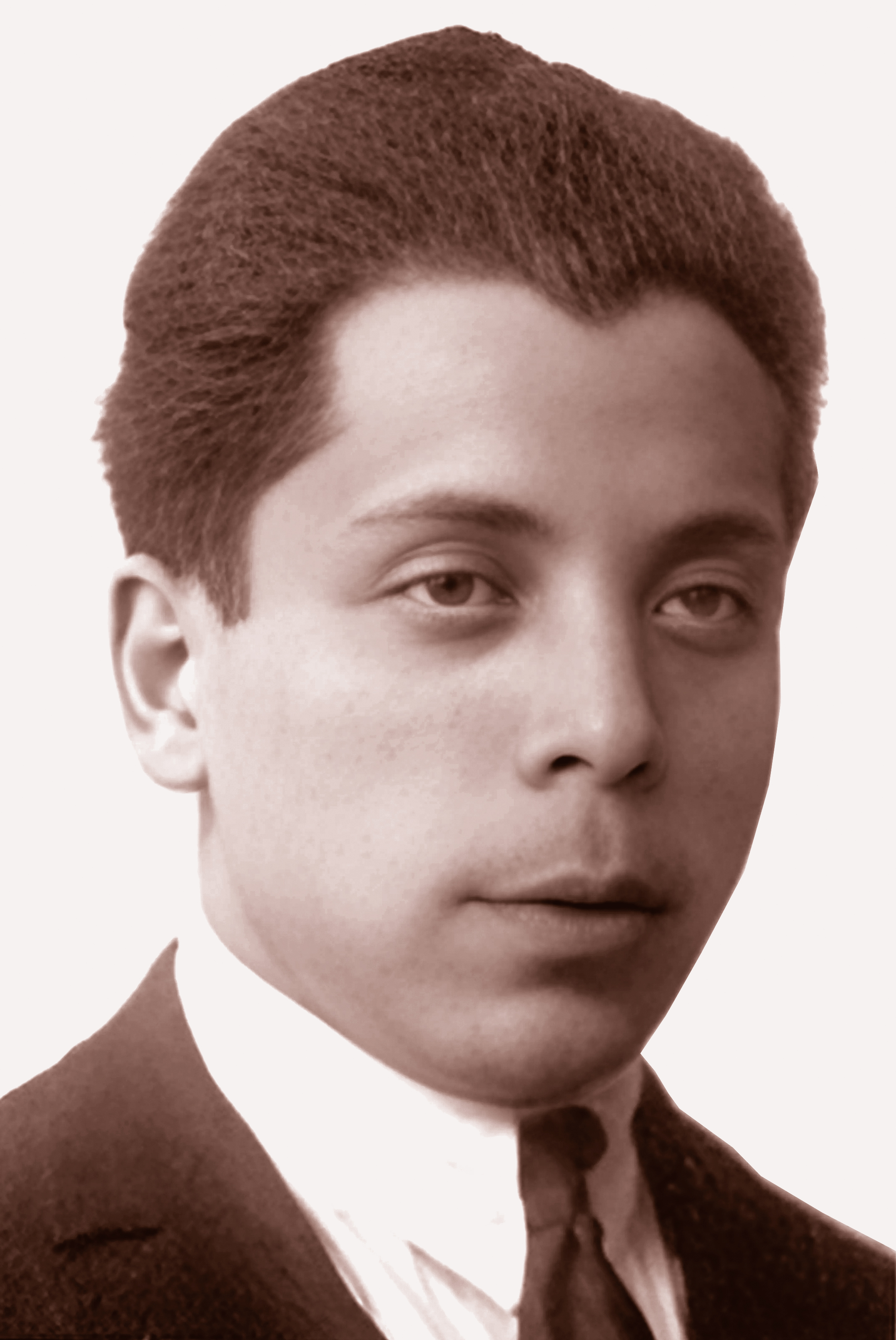
And then, he spotted a figure running toward him. It was his friend! Behind him was an old wagon pulled by horses. One final wagon had arrived! Meir’s heart soared. It was all going to be okay.
But then the most shocking thing happened. The wagon stopped. “One spot,” the driver barked. “Only one.”
Meir’s friend didn’t look at Meir. He simply climbed aboard without a word. The wagon rolled off, disappearing into the horizon.
Meir stood there. Alone. Betrayed.
The same friend he had waited for in a moment of danger had taken the one seat and left him behind without even saying thank you.
A storm erupted inside him. He was so very angry. How could someone do that? How could someone be so cold, so selfish? Right then and there, Meir made a decision. He would never again wait for anyone. Never again sacrifice himself for someone else. He’d be smarter, tougher, more shrewd. From now on, it was every man for himself.
But then, another voice began to speak inside him. “Meir, why did you wait in the first place? Because you were soft? Weak? No. You waited because you cared. Because you’re a mensch. Because you’re someone who puts values above convenience. Why would you change that because someone else didn’t live up to your standards? If you let his failure rewrite who you are, then you lose twice. It was all hashgachah. Hashem had decided that you should step forward and now is not the time to regret your actions.”
Meir stood up straight. He would not let that betrayal take him down. He would rise higher because of it. He would stay kind, loyal, strong.
That day is the day he became Meir Chodosh. The Meir who would go on to become one of the greatest mashgichim in the world. The Meir who would lift generations of bachurim with his warmth, his mussar, and his iron will.
It was the Meir who would survive the Chevron Massacre and other moments of his life when he nearly died. And when he would tell this story to his talmidim, he’d say it clearly: “It was in that moment — alone, hopeless, furious — that I chose not to let pain turn me cruel. I didn’t let disappointment turn me into someone else. That moment changed me forever. I became a new Meir. Meir Chodosh.”
Greatness is not letting hurt turn us into someone we are not.

• AS I SAY VIDUY… •
… I will make a decision to choose different thoughts, grow different middos, become the person I am meant to be.
I will focus on the fact that at all times, I can decide to do what is wrong, and I can also decide to what is right.


 The Official ArtScroll Blog