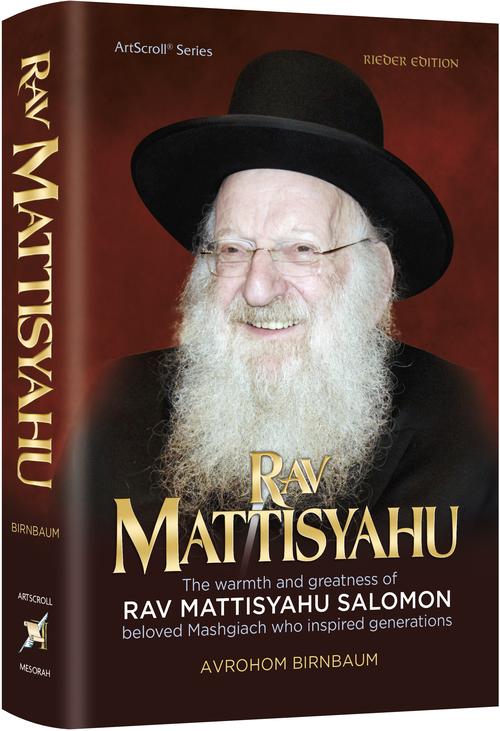
Adapted from: Rav Mattisyahu by Avrohom Birnbaum
The Simchah Imperative
It was Erev Shabbos, only hours before licht bentchen.
The phone rang in the home of R’ Nosson Zev Nussbaum.
It was the Mashgiach. After greeting him warmly, the Mashgiach asked, “Perhaps it is possible to find a dentist who will still treat me before Shabbos. I really need a dentist today.”
“Oy!” R’ Nosson Zev commiserated, “if the Mashgiach is calling now, he must be in tremendous pain. Otherwise, he would wait until after Shabbos.”
“No,” Rav Mattisyahu replied, “I can manage with the pain. The reason for the urgency is that the dental issue that I have is preventing me from smiling a full smile. Tonight, the entire yeshivah will file past me to wish me a ‘Gut Shabbos,’ expecting me to give them a full smile. Some people wait for this smile all week. If I don’t go to the dentist and have the problem fixed, I won’t be able to give them a full smile!”
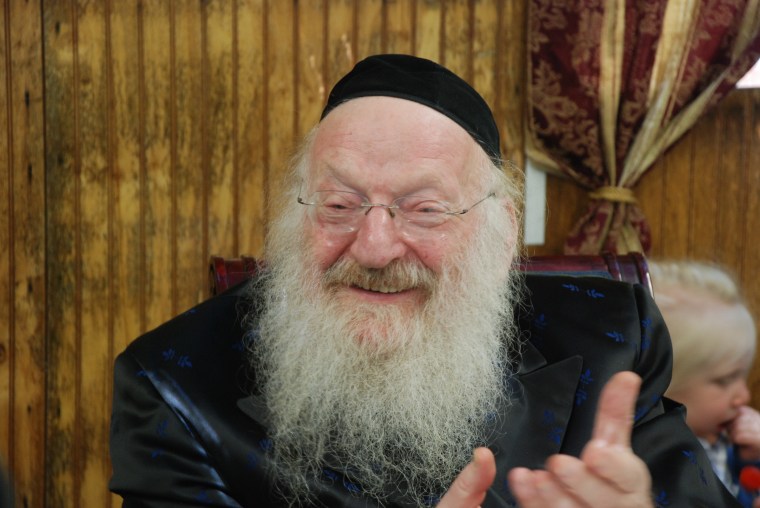
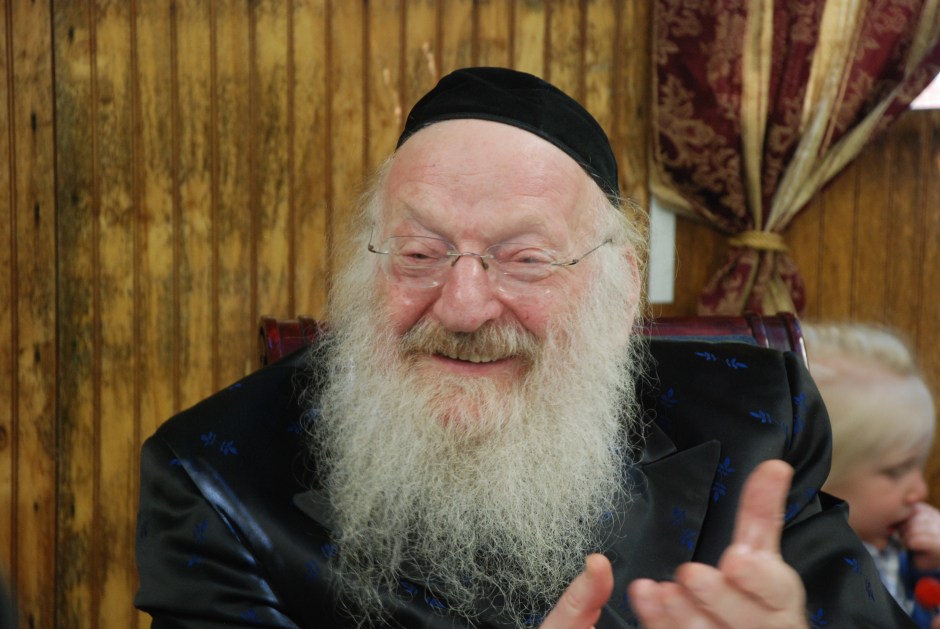
It was an imperative that the Mashgiach constantly stressed. It was imperative that an oveid Hashem should be b’simchah, happy and full of joy and good cheer. When he came to Lakewood, one of the first things that he spoke about and demanded was just that, simchah. When people would file past to wish him a “Gut Shabbos” on Friday night, he would ask them, “Where is your smile? You are learning Torah! You have the zechus to serve Hashem! Why is that simchah not visible on your face?!”
He once told a person close to him that he knows of a Yid who would wake up in the morning and dance for five minutes, singing, “Shelo asani goy.”
“My feeling,” that person commented, “is that he was talking about himself!”
Another common refrain of the Mashgiach’s was, “When a ben Torah gets up from his seat after learning a proper mussar seder, he should have a smile on his face.”
The Middos Imperative
When a chassan asked him which sefer to learn in preparation for his wedding, the Mashgiach replied that he should learn the sefer Tomer Devorah, because it is a sefer that speaks about the middos of savlanus (patience), vittur (forgoing, giving in), and chessed, the primary components essential in a successful marriage.
Rav Shraga Feivel Zimmerman, the former Rav of Gateshead, once took his son, a chassan, to Reb Mattisyahu for a berachah.
When the chassan asked for advice on how to be a good husband. Reb Mattisyahu asked him, “Do you get along with your friends?”
He replied affirmatively.
Rav Mattisyahu prodded, “Do you have a good relationship with your siblings and your parents?”
Again, the chassan answered, “Yes.”
Turning his focus to the father, Reb Mattisyahu then said, “A good bachur will be a good yungerman. In other words,” he explained, “marriage is not a unique experience, it is about middos tovos. If a person develops good middos, it will carry over to every relationship. If he does not have good middos, there are no shortcuts to having a successful marriage.”
In fact, when the Mashgiach’s youngest son-in-law, R’ Moshe Yehuda Halpern, was in the chassan room right before his chuppah, his father asked the Mashgiach for a berachah that his son should become a “gutte yungerman.” The Mashgiach responded, “A good bachur becomes a good yungerman.”
On another occasion, when one of his nieces was nineteen years old and embarking on shidduchim, she asked her uncle, the Mashgiach, “What should I look for in a husband?”
“The first thing,” he recommended, “is middos tovos.”
His niece asked again, convinced that he was going to say she should seek a talmid chacham, but no! While certainly he advocated seeking a talmid chacham for a husband, he still stressed that “the ikkar is middos tovos!”
 The Official ArtScroll Blog