
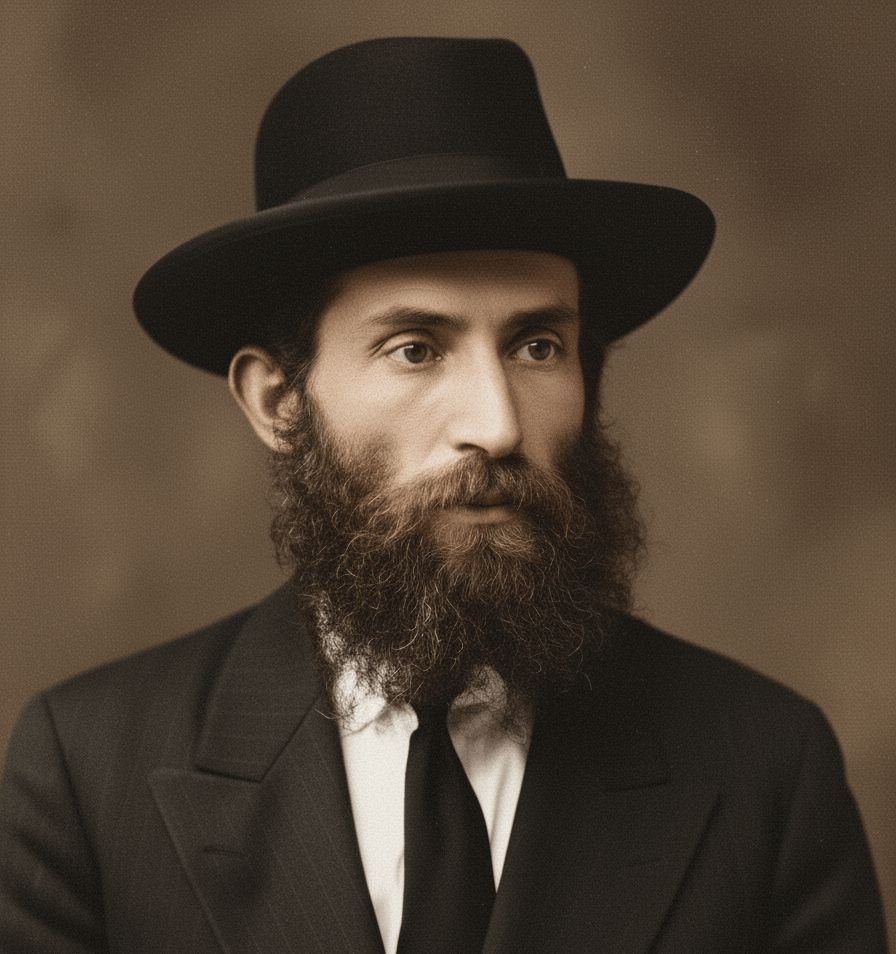
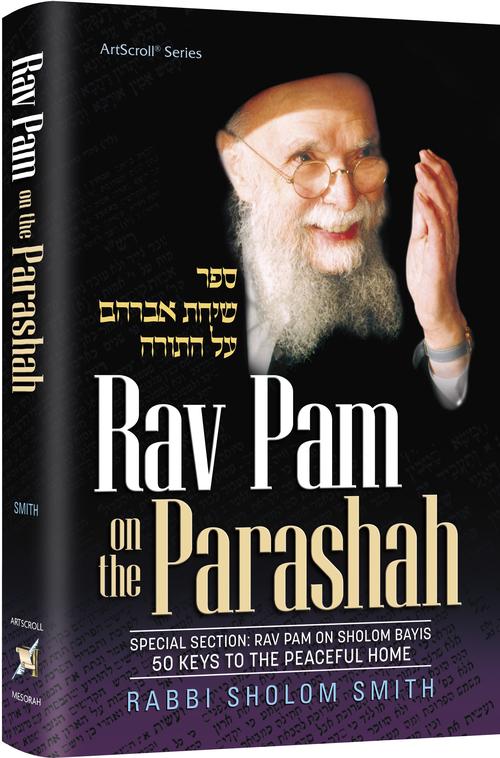
Adapted from: Rav Pam on the Parashah by Rabbi Sholom Smith
Parashas Chayei Sarah begins with Sarah Imeinu’s sudden death and Avraham Avinu’s quest to acquire a proper burial site for her. Avraham wanted to buy the Me’aras HaMachpeilah, the burial site of Adam HaRishon and his wife, Chavah. He was directed to Ephron, the owner of the Machpeilah cave and its attached field, and negotiated a purchase price and sale of the property, as the pasuk (Bereishis 23:13) states, נָתַתִּי כֶּסֶף הַשָּׂדֶה קַח מִמֶּנִּי, I give the price of the field, accept it from me.
This pasuk is the source of the halachically required method of purchasing a piece of property, and is also one of the methods of the legal acquisition of a wife. The Gemara (Kiddushin 2a) refers to this as קִיחָה, קִיחָה מִשְּׂדֵה עֶפְרוֹן, lit. taking, taking is derived from Ephron’s field. This teaches that just as a field is acquired through the transfer of money or something of value from the buyer to the seller, so too, a woman is “acquired” as a wife when she receives money or an object of value (e.g., a ring, the traditional method of Kiddushin).
In numerous places the Gemara discusses the various ways of making a kinyan, acquisition, that is legally binding. For example, a large animal such as a cow is acquired through kinyan mesirah, the handing over of the reins that are attached to the beast. A small animal such as a sheep can be acquired through kinyan hagbahah, by lifting it up.

At a Torah Umesorah convention, Rav Pam asked: How is a student “acquired” by his rebbi so that he will develop dedication to Torah study and to a Torah way of life? What kinyan should the rebbi use?
With a warm smile, Rav Pam answered, “There are two important ways to do this: with meshichah (i.e., pulling, drawing toward oneself) and hagbahah, lifting up. When a rebbi inspires his talmid with the joy of Torah study and shows him how it is a spiritual pleasure to experience and understand the wisdom of the Creator, that is a form of meshichah that draws the talmid to the rebbi and awakens within him a desire to emulate his rebbi. This can create the talmid’s lifelong attachment to his rebbi and to the Torah way of life.
“However, this is not enough. In order for the talmid to be willing to imbibe the derech of Torah, he must feel that his rebbi cares about him and respects his desire to grow in Torah. That necessitates a kinyan hagbahah, lifting up, which means to instill confidence in the talmid by building up his abilities in an honest and respectful manner and giving him the self-esteem and encouragement to strive for ever higher heights in Torah achievements.”
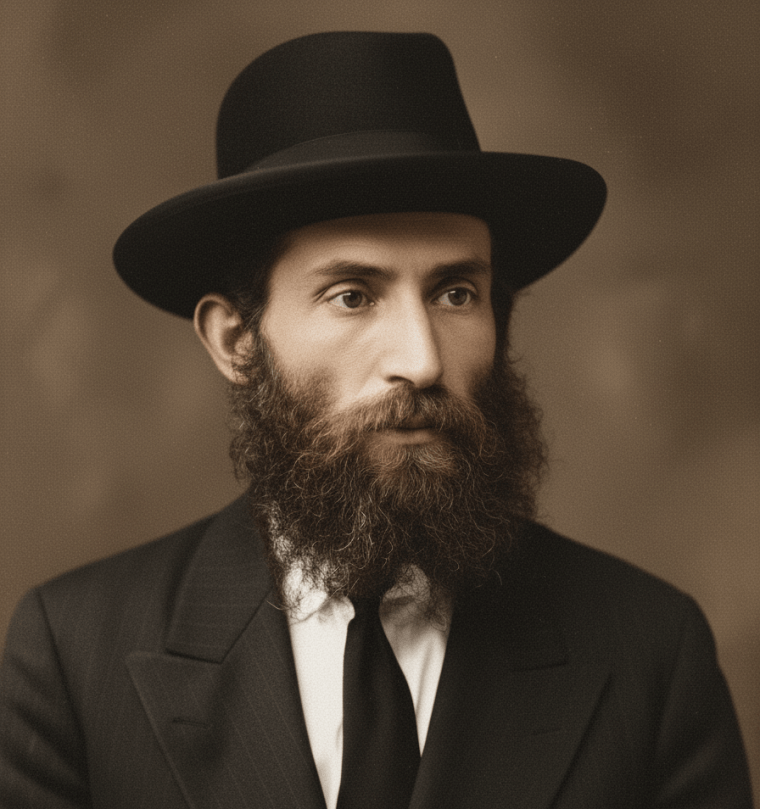
Rav Pam recalled his younger years as a talmid of the great R’ Dovid Leibowitz, the Rosh Yeshivah of Yeshivah Torah Vodaath in its early years. He was a short boy, not even fifteen years old, yet R’ Dovid addressed him in the Yiddish formal third person, Ihr! In fact, R’ Dovid spoke this way to all his talmidim, and it had a tremendous effect on the young bachur.
As Rav Pam recalled, “I felt like I was a grownup and was expected to conduct myself differently and also realized that R’ Dovid appreciated my desire to grow in Torah, as if he were talking to a talmid chacham of his caliber.”
That is the kinyan necessary to “acquire” a talmid!

 The Official ArtScroll Blog