ArtScroll’s 20%-Off-Everything Sale!

Finally – it’s June. We’re leaving winter behind, looking forward to sunshine, vacations and, of course, ArtScroll’s June sale! From now until June 26th, take 20% off every one of our more than 2,000 books, including all Siddurim, Machzorim, and Torah and Talmud classics. 

And here’s our fabulous lineup of new books, all included in the sale:

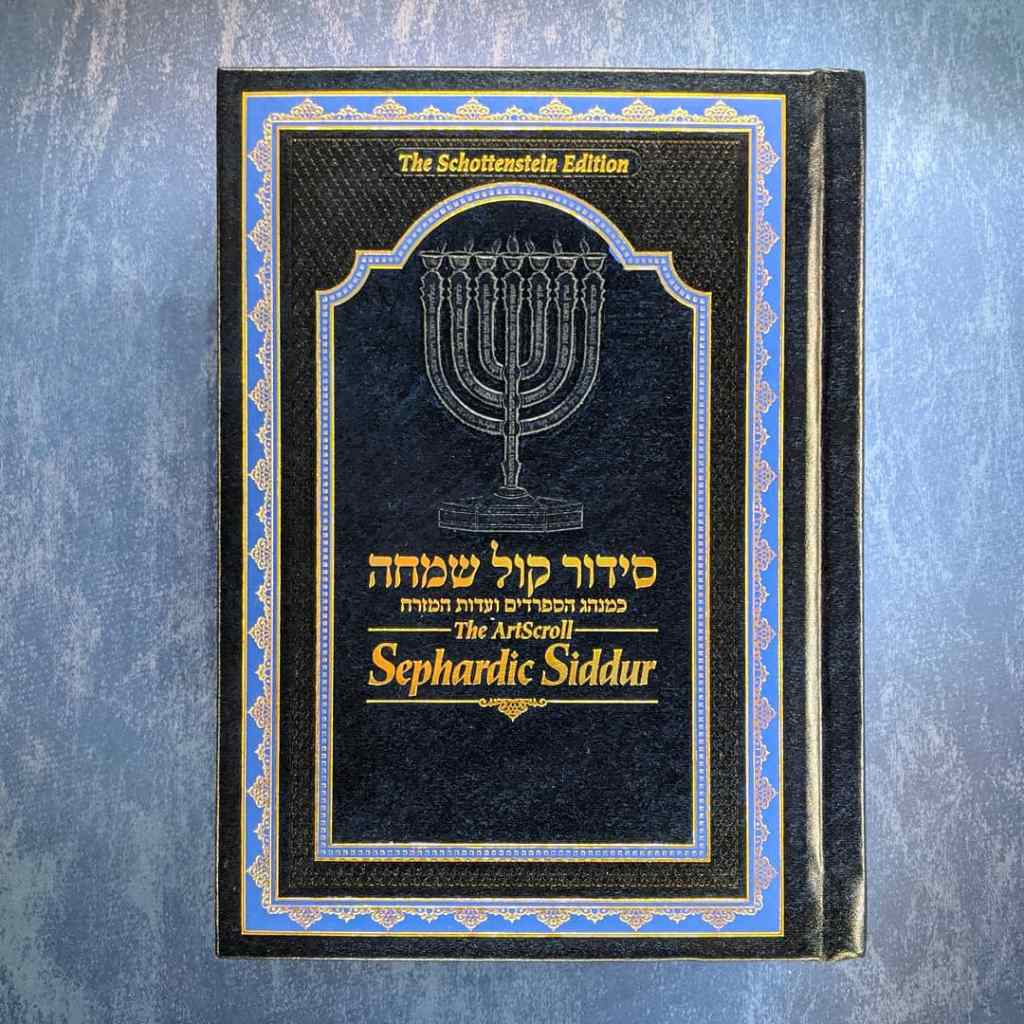
  • The Sephardic Siddur: A breakthrough project carefully designed for the Sephardic community, this siddur includes the Hebrew text, English translation, transliterations, laws and customs, overview and commentary, and many other features, all following Sephardic halachot and minhagim.
  • Incredible 2: Tens of thousands of readers were thrilled by the adventures of Rabbi Yossi Wallis, as told in Incredible! The new Incredible 2 is filled with more fascinating stories, more adventures, more inspiring personalities from Rabbi Wallis’s dynamic life. This book is as incredible… as Incredible!
  • Simply Gourmet: From the co-author of the Bais Yaakov Cookbook, here are more than 130 recipes that are simple to prepare and gourmet in taste. Trendy but traditional, this is the cookbook everyone is raving about.
  • Living Emunah 4: More than just a book, Living Emunah has become a life-changing phenomenon for tens of thousands. All the Living Emunah books, including this new one, are available at this great 20%-off price
  • Living Emunah for Children 2: Emunah is not only for adults! With adorable pictures and stories chosen especially for young readers, this full color book helps our children also discover the incredible power of emunah.    
  • In the Footsteps of Eliyahu HaNavi: In this gorgeous new coffee-table book, Rabbi Berel Wein takes us on an utterly absorbing tour of Jewish history in 40 countries of the diaspora. Includes hundreds of evocative photographs.
  • Blazing Light in the Darkness: A beloved Rosh Yeshivah, Rabbi Avrohom Kalmanowitz helped build Torah life, in pre-war Europe and the U.S. His efforts enabled the entire Mirrer Yeshivah to escape the Holocaust and, later, he worked tirelessly to rescue the Jews of the Middle East. A fascinating biography of an unusual Torah personality.
  • On My Own but Not Alone: A vital book for single women, widows, divorcees – and for anyone who wants to be sensitive to their needs and help them with their challenges. Features first person narratives by women who are on their own, chapters by noted rabbanim and rebbetzins on hashkafic issues, sections by experts on legal and financial matters, and answers to halachic queries commonly asked by women living alone.
Shop the sale now at artscroll.com!

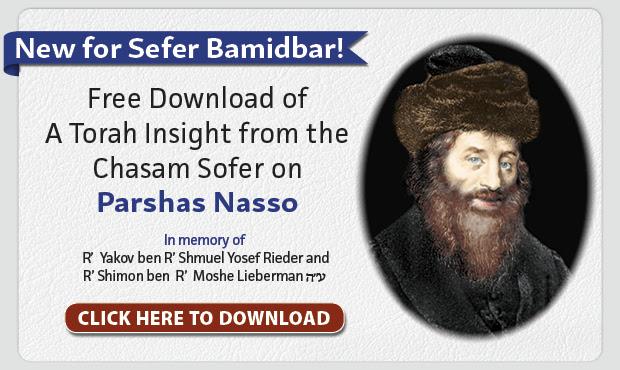
A Torah Insight from the Chasam Sofer on Parshas Naso

CHASAM SOFERNASO

An Elevation for All Jews

נשא את ראש בני גרשון גם הם לבית אבתם למשפחתם

Take a census of the sons of Gershon, them as well, according to their fathers’ household, according to their families (4:22).

Why does Hashem say that the sons of Gershon, “them as well,” should be counted? Would there be a reason to exclude them from the count? It is also of note that here the verse states לבית אבתם למשפחתם, according to their fathers’ household, according to their families, while in regard to the sons of Kehas (above, v. 2) and the sons of Merari (below, v. 29) it uses the opposite order: למשפחתם לבית אבתם, according to their families, according to their fathers’ household. Why is the order different for the sons of Gershon?

The names of Levi’s sons may be understood homiletically as allusions to the Jewish People, at various stages in history. The name “Kehas” connotes an ingathering or an assemblage, as in the verse ולו יקהת עמים, and his will be an assemblage of nations (Bereishis 49:10). This refers to the times when the Jews were together, serving Hashem in Eretz Yisrael. The name “Merari,” on the other hand, connotes bitterness, as in וימררו את חייהם, and they embittered their lives (Shemos 1:14). This refers to the many countries where Jews have been subject to misery and suffering. Despite this, they built communities and institutions that remained loyal to Hashem and the Torah. Both the “Kehas” and the “Merari” Jews brought glory to our forefathers, all the way back to Avraham, Yitzchak, and Yaakov.

But there were other Jews, symbolized by “Gershon,” a name that connotes expulsion, as in ויגרש את האדם, and He expelled Adam (Bereishis 3:24), but does not include a connotation of bitterness. This alludes to Jews who have been banished from their Land and dispersed throughout the nations, but have flourished in their host countries. They felt “at home” in their lands of exile, and began to blend into their surroundings, gradually assimilating and losing their Jewish identity.

            Our parashah tells us that all three categories of Jews are to be counted. Now, the term נשא, in addition to “count,” can be interpreted as “elevate.” When Israel serves Hashem loyally, that is a source of merit even for the Patriarchs, Avraham, Yitzchak, and Yaakov. The “Kehas” and “Merari” Jews are themselves elevated, and moreover, bring credit to their forebears. Thus, the Torah says, למשפחתם לבית אבתם — their elevation begins according to their families, and then brings credit according to their fathers’ household. But what of the “Gershon” Jews, the ones who have drifted away. Do they have a share in elevation?

            The Torah tells us that not only are the “Gershon” Jews to be counted, they can be elevated. How is this possible? In response to this, the Torah says לבית אבתם, according to their fathers’ household, which refers to the Patriarchs. Indeed, these Jews are unable to provide merit to their forebears, and they even lack the merit for their own elevation, but nevertheless, they are able to be elevated through זכות אבות, the merit of our forefathers. A person’s forebears can be a source of benefit to him, and allow him to gain merit despite his own limitations. Thus, our verse says, Elevate the sons of Gershon, them as well — no less than the virtuous “sons of Kehas” and “sons of Merari.” How are the “sons of Gershon” elevated? It is according to their fathers’ household, by virtue of their previous generations, which will bring merit even למשפחותם, to their [own] households. Although these Jews have little merit of their own, they will be elevated “as well,” through the merits of their forefathers (Toras Moshe HaShalem, p. 25, ד”ה נשא).

In Memory of
R’ Yakov ben R’ Shmuel Yosef
and R’ Shimon ben R’ Moshe ע”ה
© Copyright 2019 by MESORAH PUBLICATIONS, Ltd.

To download a printable copy, click here: Chasam Sofer – Naso

The Journey of the ArtScroll Sephardic Siddur Schottenstein Edition

“Why don’t you produce an ArtScroll Siddur for the Sephardic community?”

We heard it over the years from countless people in Brooklyn, in Deal, in L.A. and beyond, indeed, wherever Sephardic Jews live. While ArtScroll’s other sefarim and books speak to Jews of every stripe and background, there was no ArtScroll’s siddur in the nusach of Sephardim and Edot Hamizrah. Why not?!

It was a valid question. There are well over a million copies of ArtScroll siddurim in print, making them the most widely-used siddurim in history. They are hailed the world over for their magnificent translation and wide-ranging, inspiring commentary, their crystal clear instructions and halachahs, and their state-of-the-art typography. “Why isn’t there a Siddur of such outstanding quality for Sephardic Jews?”

Mr. Jay Schottenstein, patron of the ArtScroll Talmud and many other ArtScroll projects, was visiting Rav David Abuchatzeira shlita, a year and a half ago. The Hacham had that same question: “You have dedicated so many works of Torah and Tefillah. Why don’t you sponsor an ArtScroll Sephardic Siddur?” Together they called Rabbi Gedaliah Zlotowitz, President of ArtScroll and put the question to him.

Rav Gedaliah didn’t flinch, and in a moment the exciting decision was made: The time had come for an ArtScroll Sephardic Siddur!   And so the work began immediately on Siddur Kol Simcha.

There was much to do. The Hebrew text and English translation had to follow Sephardic traditions. Transliterations would reflect Sephardic pronunciation, and laws and customs would follow Sephardic poskim and minhagim.

Dozens of pizmonim and piyyutim for Shabbat and other occasions would be accurately translated and sourced. Shem Hashem would appear according to Sephardic tradition, and there would be taamim for selections from the Tanach. There would be a commentary and introduction that would explain and inspire.

There were other innovative features as well. When a person is praying, he or she wants to see the relevant laws conveniently appear next to the prayers, so in this new Siddur, the halachot are right where they are needed – and there is also a comprehensive halachot section in the back of the Siddur. Special typography and graphics indicate when there are differences in text between various communities, so everyone can pray according to his or her own custom without confusion.

Artscroll is proud to add this magnificent state-of-the-art Sephardic Siddur to its repertoire. A new gem in the treasure house of ArtScroll.

Get your copy today at artscroll.com!

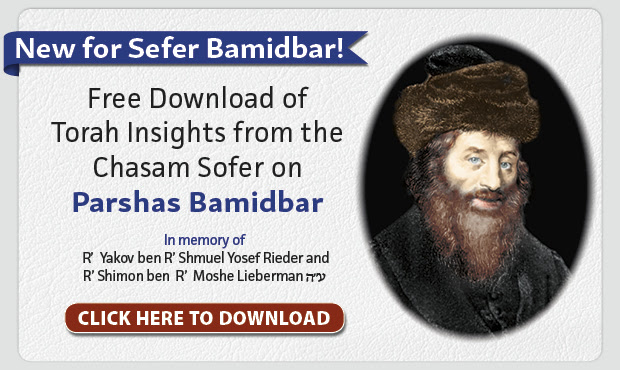
Torah Insights from the Chasam Sofer on Parshas Bamidbar

CHASAM SOFERBAMIDBAR

1. One Census, Two Meanings

שְׂאוּ אֶת ראש כל עדת בני ישראל

Count the heads of the entire assembly of the Children of Israel (1:2)

The term used for “count the heads” is שְׂאוּ אֶת ראש, which literally means raise the head. This indicates that the census served to elevate the Jewish people and ascribe greatness to them. However, the Midrash (Bamidbar Rabbah 1:11; cited by Ramban to v. 3) notes that שאו את ראש can also mean, remove the head, as in the verse (Bereishis 40:19), יִשא פרעה את מעליך ותלה אותך על העץ, Pharaoh will remove your head from you and hang you on a tree. According to this interpretation, our verse alludes to the fact that the men counted in this census were destined to die in the Wilderness, as punishment for the sin of the Spies. Ramban asks, however: Since the simple meaning of the phrase שאו את ראש follows its positive connotation of “raise the head,” why does the Midrash interpret it in a negative manner?

We may resolve this by noting that when the Torah excludes the Leviim from the count, it states (1:49): אך את מטה לוי לא תפקד ואת ראשם לא תשא, which seems to mean, But the tribe of Levi you shall not count “and their head you shall not raise.” Now, if שאו את ראש denotes “elevation,” why would the Torah exclude the Leviim from being counted and gaining this blessing? The Midrash therefore reasons that שאו את ראש must also carry the negative connotation of “remove the head.” Because the Leviim were dedicated to Hashem’s service, Hashem said, ואת ראשם לא תשא, which according to the Midrash means, and their head you shall not remove. They were excluded from the decree of death that would ultimately be imposed on all those counted in this census (Toras Moshe HaShalem, p. 1, ד”ה שאו את ראש כל עדת בני ישראל).

2. Seeing the Good

             As mentioned, the phrase שאו את ראש can be interpreted “remove the head.” While this interpretation seems negative, it actually contains a positive message as well, and complements the message of elevation and grandeur conveyed by “raise the head.”

What was the reason for the census? The apparent reason was that Moshe and the Nesiim needed to determine the number of people in each tribe so that Eretz Yisrael could be divided fairly among the tribes. The time of this census was appropriate for that purpose, because at this point the Jewish people had not yet committed the sin of the Spies, and they were ready to travel to Eretz Yisrael.

However, Hashem knew in advance that the Jews would eventually commit the sin of the Spies and that this generation would therefore die in the Wilderness. Thus, the people counted in this census would not not enter Eretz Yisrael and would not divide the Land. Obviously, then, the division of the Land cannot have been Hashem’s reason for commanding Moshe to take the census. What, though was His reason? It is, as Rashi explains, that Hashem wanted to count the Jews simply to demonstrate His love for them.

This idea is alluded to in the double meaning of the phrase, שאו את ראש. The literal meaning is raise the head, but according to the Midrash it means remove the head. The latter interpretation is negative only on a superficial level. In truth, though, it contains the basis of the positive interpretation. The expression remove the head alludes that Hashem knew that those counted in this census would die in the Wilderness. But if they would not live to divide the Land, why did Hashem want them to be counted? It must be because He loves them. In this sense, the census is an elevation for the Jews and serves to raise their head! It is thus the negative meaning that makes us realize the message contained in the positive meaning: Hashem counts the Jews because He loves each and every one of them (Toras Moshe HaShalem, p. 1, ד”ה שאו את ראש א).

In Memory of
R’ Yakov ben R’ Shmuel Yosef
and R’ Shimon ben R’ Moshe ע”ה
© Copyright 2019 by MESORAH PUBLICATIONS, Ltd.

To download a printable copy click here: Chasam Sofer – Bamidbar

A Parent’s Prayer – for recitation on erev Rosh Chodesh Sivan, Monday, June 3rd

All parents want the best for their children – that they should be good and upright, that they have everything they need for a fruitful, joyous life.

The classic work, Shelah HaKadosh, contains a prayer that parents should recite for their children at any time of the year – but especially before Rosh Chodesh Sivan, for that is the month when G-d gave us the Torah, and when the Jewish people began to be called His Children.

Click here to view, print or download: Tefillas Hashelah – A Parent’s Prayer.

ArtScroll Speaks With C.B. Weinfeld Author of A Canopy of Stars

AS: Amazing! Your 5th collection of stories, and yet they are still so fresh, so vibrant and varied. What’s your secret to finding such intensely interesting stories?

CBW: There’s really no secret to finding interesting stories. All you need is a willingness to ask and the capacity to listen—to really listen. I find that the most rewarding stories come when I close my mouth and just absorb what the other person is saying! Sometimes, during a conversation or interview, I think the story is over, but if I stay quiet for another minute or two, I’ll find the story has only just begun.

AS: One of the sections of the book is called Faith and Courage. What’s the connection between the two?

CBW: One is often an outgrowth of the other. Being whacked by a ‘double whammy’ of challenges can either make one shrivel and give up in defeat, or it can bring out the most potent parts of our neshamah. In “Dance of Life,” for instance, a man facing the loss of a long-awaited kidney draws on his faith and finds the courage to dance, to celebrate the fact that it wasn’t meant to be. In “Guided by an Angel,” the protagonist draws on his faith and finds the courage to travel alone to meet his brothers, whom he had never met before.

AS: When writing these stories, many of them poignant, did any of them actually bring you to tears? Which one, and why?

CBW: The story “Judge and Jury,” about a woman whose husband is experiencing an emotional breakdown, had a powerful impact on me.  I know many people who are living like this, acting as if they had perfect lives, in a desire to preserve their dignity and protect their families. In reality they are dealing with unfathomable challenges and intense pain—and the judgment of their own family members, which is sometimes hardest of all to bear.

AS: And here’s the toughest question of all: Which of the stories are your favorites?

CBW: Asking me to name a favorite would be like asking me to name a favorite grandchild—I love them all so intensely, and each has a special place in my heart.

Get your copy today at artscroll.com!

Simply Gourmet by Rivky Kleiman!

We’re all so excited about Simply Gourmet, the fabulous cookbook being released! We spoke with author Rivky Kleiman about her culinary journey and how she develops such amazing recipes.

AS: Rivky, you are a star in the kosher culinary world: a popular contributor to kosher.com and Family Table, co-author of the Bais Yaakov Cookbook, and now a member of ArtScroll’s incredible cookbook team. How did you do it?

RK:  My mother went to medical school when I was in 6th grade. We were three sisters, so while she was in school she would leave a list on the fridge with the jobs we should do. Because I enjoyed the kitchen so much, I wound up making all the cakes, kugels, desserts, salads. When it came to food my mother was very forward thinking, and she loved variety. My friends loved to come to supper; they knew they’d get something interesting and delicious. Actually, when I was newly married, I was afraid of making traditional chicken soup and gefilte fish — but I could make gourmet meals!

AS: What is your cooking philosophy, and how does it play out in Simply Gourmet?

RK: I like to work with foods that are familiar to people, foods that they recognize, but I also want a twist. I keep up with today’s trends and modernize. I love to layer the flavors, to give foods depth of flavor. We’re long past just salt and pepper. You can transform a dish with a few spices or herbs. I use items in your pantry, or items that you will incorporate into your pantry after you’ve discovered them.  

AS: Some examples?                                                             

RK: I love chili powder. It’s a mixture of different spices, and it elevates the taste of the meat and poultry. People don’t realize the value of it. And you can easily make your own. Fish-free Worcestershire sauce adds that little oomph. Or a bit of lemon zest — it takes no extra work, you’re using the lemon anyway, and you get an explosion of flavor!

AS: What do you hope to accomplish with Simply Gourmet?

RK: I taught for many years, and I’m using the skills I’ve developed to teach home cooks so that they can elevate what they do. I’m taking away some of the fear of the unknown. When you try something and it works, what a great feeling!

Get your copy today at artscroll.com!

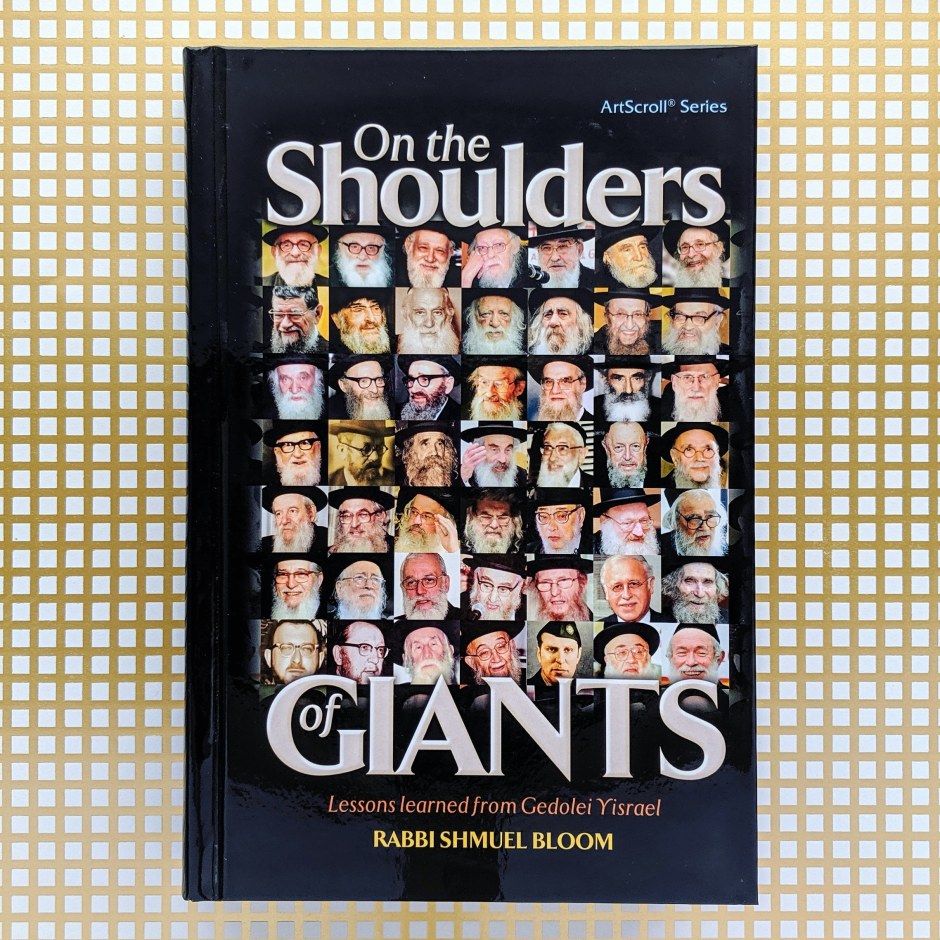
On the Shoulders of Giants – Have you ever wondered what it’s like to have constant contact with gedolim?

Gedolei Torah. You’ve heard so many stories about them. Perhaps you’ve even had some personal encounters with them. You know about their incredible diligence, devotion to learning and unfailing concern for the Klal. But have you ever wondered what it’s like to have constant contact with gedolim? To interact on a daily basis with Torah leaders? To see how daas Torah deals with the most important issues of our time?

In his long career in Agudath Israel of America, which culminated in his position as Executive  Vice President, Rabbi Shmuel Bloom had the zechus of interacting with some of Jewry’s greatest gedolim. Now, in On the Shoulders of Giants, he shares the stories and memories, the lessons learned and the insights discovered in more than half a century of encountering greatness.

We asked Rabbi Bloom to describe some of the traits that gedolim tend to have in common. His answer was both insightful and surprising:

“In my encounters with gedolei Yisrael I found that they had a unique blend of humility and confidence. The first time I saw R’ Moshe Feinstein at the Agudah convention, he was waiting for Minchah to begin. A man came over to him and asked the gadol hador if he could ask him a shayla. Reb Moshe answered: “Far vos nit – why not?”  It was as if he was saying, in his profoundly humble way – of course you can ask me, this is why I am here in this world, to help other Jews. Yet when there was an accident in front of his house and Rav Moshe was told a boy wearing a yarmulke had been run over by a car, he said that it couldn’t be true. He felt that his Torah learning would prevent such a tragedy from happening. As it turned out, a gentile boy had grabbed a yarmulke from a Jewish boy, and the non-Jew was run over as he was running away. This combination of knowing that he is in this world to serve the Klal, at the same time knowing that he was given a special role to play, is something that I found to varying degrees in almost every gadol.”

Personal stories of gedolim, askanim and politicians, and many rare photos — you’ll find them all here, in On the Shoulders of Giants.

Get your copy today at artscroll.com!

ArtScroll’s Special Editions: Guaranteed to Make Your Shabbos Afternoons Special!

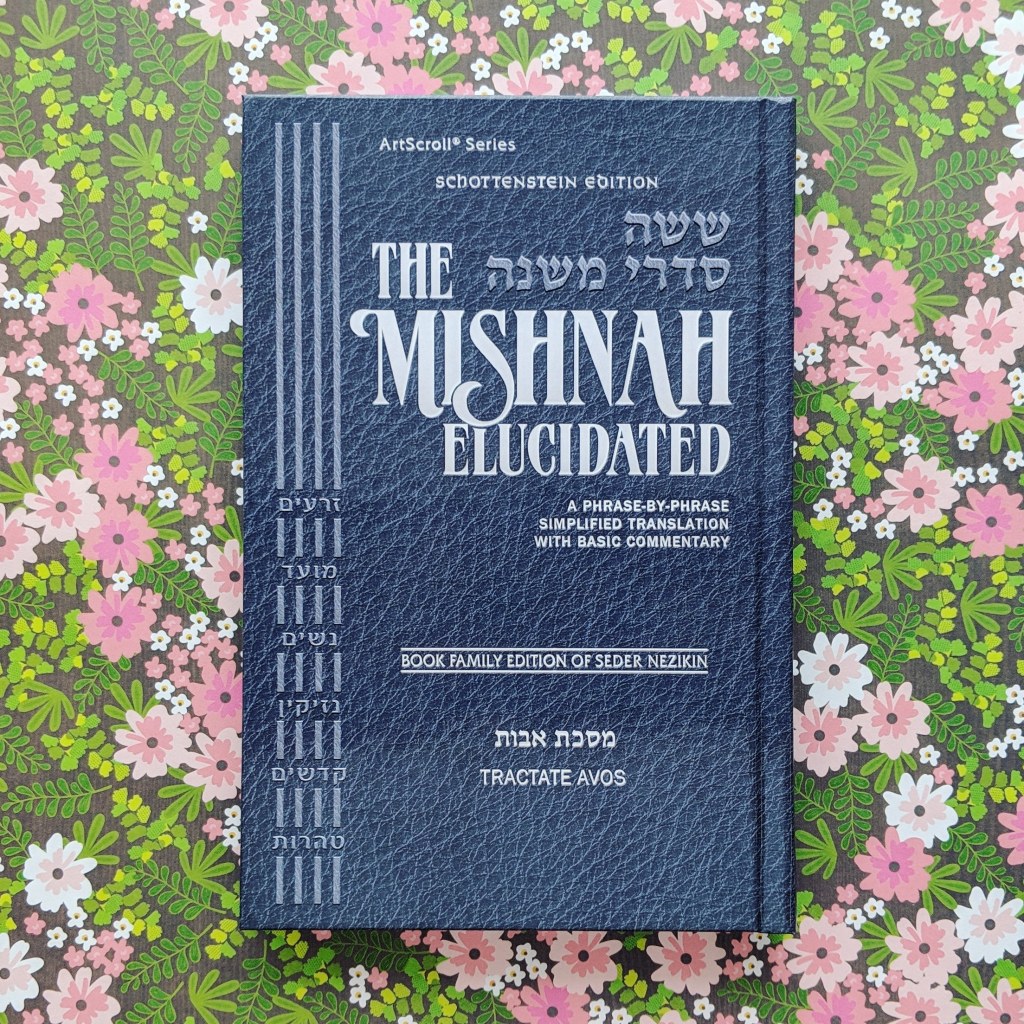
On the long Shabbos afternoons of spring and summer, Pirkei Avos offers us the perfect way to reconnect with the richness of Torah wisdom. ArtScroll has just released two special editions of Maseches Avos that will make that time extra special. Both editions contain all the text and features of ArtScroll’s acclaimed Mishnah series, in a new convenient size — and at a great price.

The Schottenstein Edition Midsize Mishnah Elucidated: Maseches Avos

This popular series offers a multilevel learning experience. Do you have an hour before Minchah and want to review a chapter in Pirkei Avos? You can. Want to spend the entire afternoon delving deeply into its meaning? You can do that too — in the same volume.

Each volume in The Mishnah Elucidated series includes the fully vowelized Hebrew text of the Mishnah and the full text of “the Rav’s” (Rabbeinu Ovadiah of Bertinoro) classic Mishnah commentary. The phrase-by-phrase translation and elucidation follow the format of the Schottenstein Edition Talmud. Words and phrases, based on the Rav’s interpretation of the Mishnah, are added to make the Mishnah text read smoothly and clearly. Notes clarify and explain the Mishnah further by drawing on the Gemara or other classic Mishnah commentaries, and the general introductions to each masechta and topic discuss many important concepts. For those most comfortable with English-language study, this is the volume for you.

The Ryzman Edition Hebrew Mishnayos Special Edition: Maseches Avos

Each volume of the Ryzman Edition Hebrew Mishnayos contains the full text of the Mishnah, as well as the commentary of the Rav (Rabbeinu Ovadiah of Bertinoro), newly-typeset. This series, too, offers multilevel learning. The first level is a phrase-by-phrase translation and elucidation, in readable Hebrew, following the format of the Schottenstein Edition Talmud.  This level gives a brief, flowing explanation of the words of the Mishnah, perfect for those seeking a simple explanation of the p’shat. Next comes the “Biyur.” Here we find an expanded explanation of the Mishnah, based on the commentary of Rav, and also drawing on the Gemara and classic Rishonim and Acharonim. On this level, terms and concepts are explained more fully, providing a deeper understanding of the p’shat. Finally, the “Iyunim” level is designed for those seeking more profound, in-depth study of the Mishnah.

Whatever you are looking for in your Pirkei Avos study, you’ll find it in these very special, special editions!

Get your copies today at artscroll.com!

Two Fantastic Historical Novels: Freefall by Miriam Zakon and Twilight by Avner Gold

After all the work — the cleaning, shopping, koshering — you’ve certainly earned some time to relax. And what better way to relax than with a novel that transports you to a different time and place? A novel that brings you characters who become almost real to you? A novel that keeps you turning page after exciting page?  

ArtScroll has two fantastic new historical novels for you. Enjoy your well-earned literary treat!

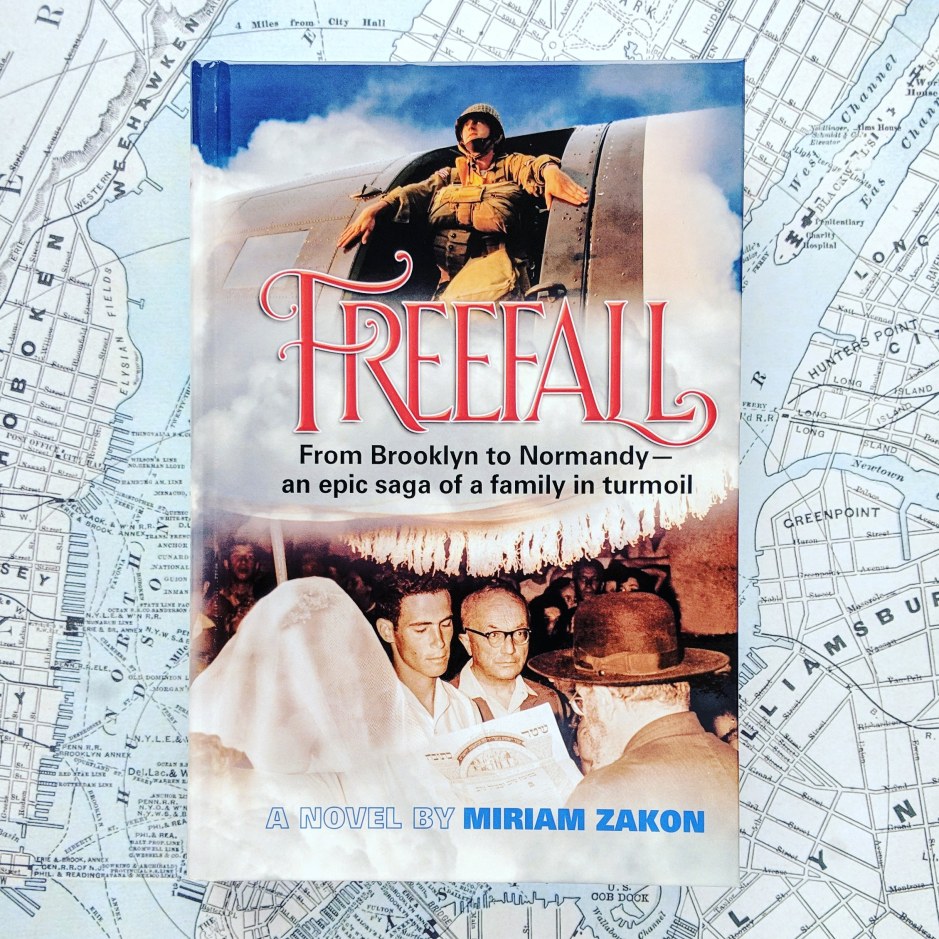
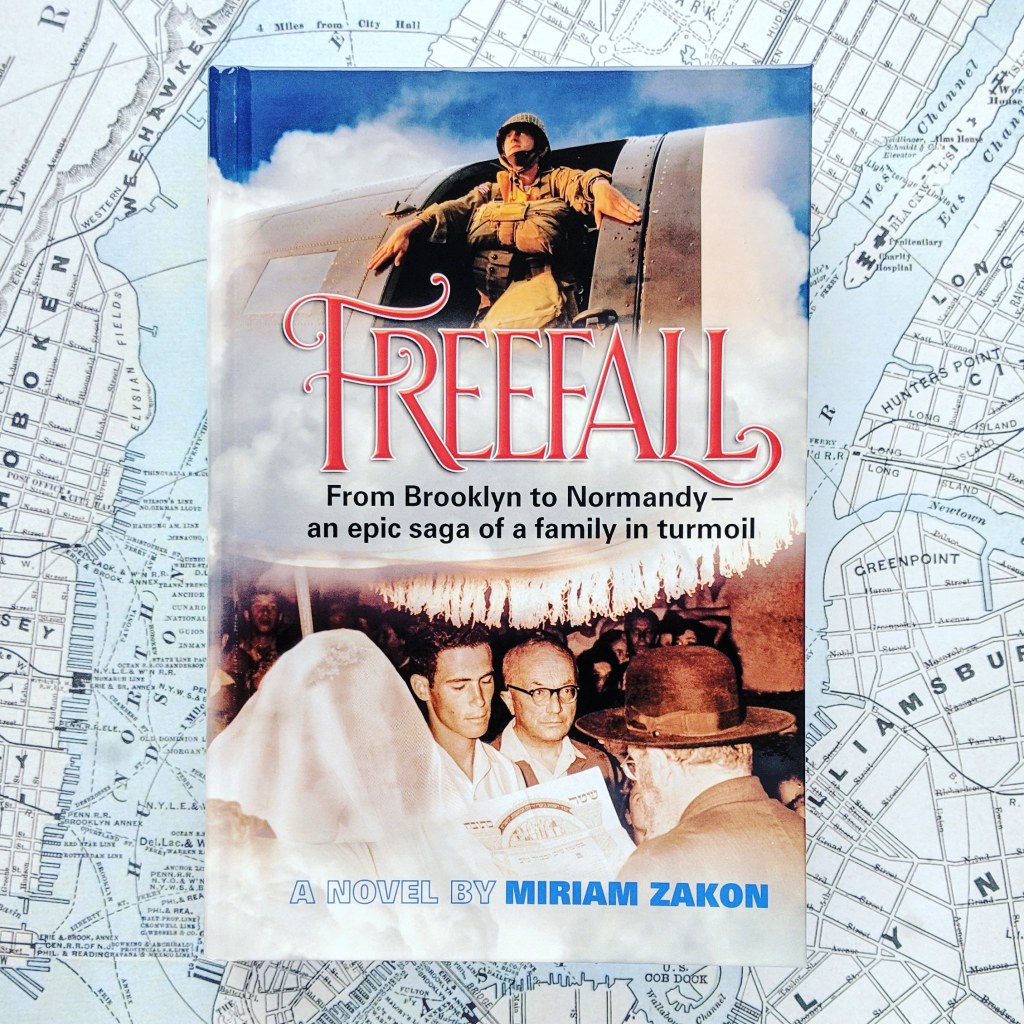
Freefall by Miriam Zakon:

Freefall is the epic saga of a young woman searching for happiness, a war orphan searching for words, and a young man searching for his father’s love.

The year is 1941. The flames of war are blazing throughout Europe. By the end of the year, with the surprise attack on Pearl Harbor, America will join the Allies in their desperate struggle against the Axis powers.

In the Freed Hotel, a simple Coney Island boarding house, other battles are being fought. Its owner, Yeruchum Freed, is determined and resolute in his vision: to raise his children as uncompromising Torah Jews. But do his children, Annie and Moe, share that dream?

Set against the fascinating backdrop of the American experience during the Second World War, as well as the battlefields of war-torn Europe, Freefall offers a vivid and unforgettable cast of characters, a wealth of riveting historical details, and an engaging, suspense-filled story that readers will not be able to put down. 

Twilight (Expanded Edition) by Avner Gold:

Twilight is the next novel in the famed Strasbourg Saga. This expanded edition follows the exploits of the popular characters of the Saga from the end of 1649 through 1658.

As the story begins, a report of twins abducted by the Cossacks spurs Elisha Ringel to action. He manages to secure a meeting with Bogdan Chmielnicki, the hetman of the Cossacks, in his headquarters in Zaporozhiye, and there the exciting story unfolds, coming to a climax in Warsaw nine years later. In the course of the story, we also meet Rav Shabsi Kohein, the Shach, and follow the turbulent events of his life through the eyes of Rav Shloime Strasbourg, rabbi of Pulichev.

Twilight is that fragile moment that is not quite night and not quite day. The period described in this book was a twilight time. The wounds of war were not yet healed, but there was hope once again. Here is historical fiction at its best.

Get your copies today at artscroll.com!